What Are the 2026 Top Inverter Welding Machine Types?
The 2026 welding market is becoming more specialized, yet buyers still want one reliable answer: which Inverter Welding Machine type fits their work? The best choice depends on material, welding process, duty cycle, portability, and operator experience. A compact MMA inverter may suit field repairs, while a MIG inverter can improve speed on workshop steel. TIG inverters offer cleaner control for stainless steel and aluminum, but they demand steadier technique.
This guide examines the leading inverter categories expected in 2026, including MMA, MIG, TIG, multiprocess, and advanced IGBT-based models. It compares arc stability, power efficiency, thermal protection, control interfaces, and real operating limits. A machine rated for high output may still struggle during long welds if ventilation is poor. Numbers on a product label need practical interpretation.
Details matter. A contractor may value a 10-kilogram machine, a shoulder strap, and stable performance from a long extension cable. A fabrication shop may prioritize a high duty cycle, accurate amperage control, and dependable service support. Manufacturers increasingly add digital displays, synergic settings, and smart fault detection. These features can save time, although they do not replace sound welding practice.
No single machine wins every workshop. That is worth remembering. Based on technical specifications, field-use considerations, and common professional requirements, this overview identifies the most useful 2026 inverter types. Some recommendations remain conditional, because real performance changes with consumables, input voltage, maintenance, and user skill. Careful selection is still more valuable than attractive marketing claims.
How Inverter Welding Machines Work and Why They Matter in 2026
Inverter welding machines matter in 2026 because they control electrical power more precisely than traditional transformer units. An inverter first changes incoming AC power into DC. High-frequency switching then regulates the welding current through electronic circuits. This process creates a steadier arc, smaller equipment, and often lower energy use. In practical work, the difference appears when an arc starts cleanly on thin steel or remains stable outdoors.
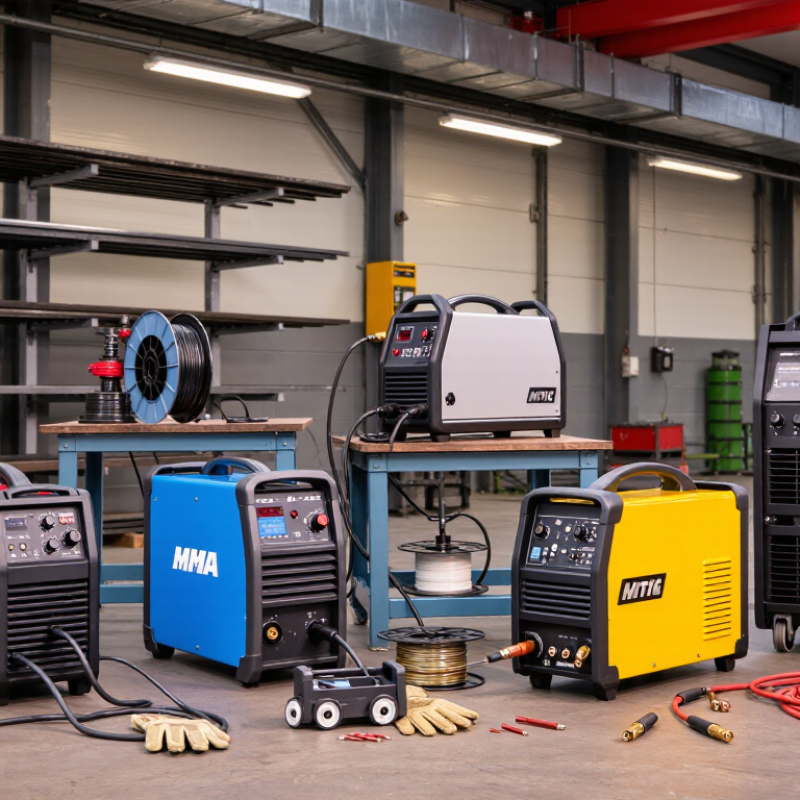
The main types include stick, MIG, TIG, and multi-process inverters. Stick models suit repair work and thicker, rusty steel. MIG inverters support faster fabrication with continuous wire feed. TIG machines offer careful control for stainless steel, aluminum, and neat joints. Multi-process units combine several methods, but their extra settings can confuse inexperienced users. I still check the duty cycle, input voltage, cable quality, and ventilation before trusting any specification. Numbers alone do not guarantee dependable performance.
Tips: Match the machine to the metal thickness and available power. Keep the work clamp bright and tight. Test settings on scrap metal first. A stable arc may still produce a weak weld if travel speed is wrong. Digital displays help, but they cannot replace sound technique. Reconsider portability claims when the cables, torch, and gas equipment add substantial weight.
The Main Types of Inverter Welding Machines Available in 2026
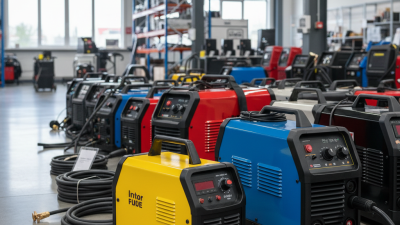
In 2026, inverter welding machines are best grouped by process, not appearance. Main categories include MMA (stick), MIG/MAG, TIG, and multiprocess units. Plasma-cutting inverters belong nearby, but they are cutting systems, not welding machines. That distinction matters when comparing specifications. According to the 2024 MarketsandMarkets Welding Equipment report, the global market could reach about USD 21 billion by 2028. Growth is linked to portable power electronics, automation, and repair demand.
MMA inverters suit outdoor steelwork because electrodes tolerate wind and dirty surfaces. Look for adjustable arc force, hot start, and stable current below 100 amperes. MIG/MAG machines increase productivity on clean sheet and structural steel. Wire-feed speed, inductance, duty cycle, and gas control deserve close attention. TIG inverters deliver precise beads on stainless steel and aluminum. They reward skilled torch control. Multiprocess machines combine several functions, saving space but often sacrificing interface simplicity. That compromise is easy to underestimate.
Fortune Business Insights reported a USD 15.33 billion welding equipment market estimate for 2023. Its forecast reaches USD 22.06 billion by 2030. Different methodologies produce different totals. Buyers should verify duty cycle at the actual ambient temperature, not only the brochure rating. Check input voltage, repair access, cable length, and generator compatibility. A lightweight case feels useful. Yet poor cooling can shorten service life. I would not choose a machine from wattage alone; that remains a common mistake.
What Are the 2026 Top Inverter Welding Machine Types?
Inverter welding machines in 2026 are mainly available as MMA/Stick, MIG/MAG, TIG, and multi-process units. The chart compares representative output-current ranges commonly found in portable and light-industrial inverter machines. Actual ratings vary according to duty cycle, input power, cooling design, and application.
MMA/Stick machines are widely used for field repairs and structural work. MIG/MAG models support faster wire-based production welding, TIG machines provide precise and clean welds, and multi-process machines combine several welding processes in one unit.
Key Differences in Welding Processes, Power, and Applications
In 2026, top inverter welding machines are defined less by appearance than by process control, output stability, and job fit. Stick (MMA) inverters remain practical for outdoor repair because coated electrodes tolerate wind and dirty steel. They are compact, economical, and often run from single-phase power. However, arc starts can feel less forgiving on thin sheet.
Small detail, big difference.
MIG/MAG inverters feed solid or flux-cored wire continuously, improving speed on frames, gates, and production work. Gas selection changes penetration, spatter, and weld appearance, so a simple machine still demands informed setup.
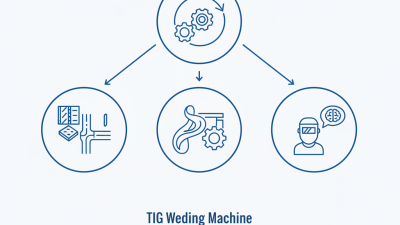
TIG inverters provide precise heat control for stainless steel, aluminum, and visible joints. High-frequency starts and pulsed current help manage thin material, but operators need cleaner surfaces and steadier hands.
Multi-process inverters combine stick, MIG, and TIG functions for maintenance teams or mobile contractors. Their flexibility is valuable, although one chassis rarely matches a dedicated TIG unit in every detail. That limitation matters.
Power choice should follow metal thickness, duty cycle, and available electricity. A 200-amp unit may suit light fabrication, while heavier sections need greater amperage and thermal capacity. Input voltage also affects portability; dual-voltage models work across job sites, but adapters and long leads can reduce performance.
Check rated output at the required duty cycle, not the headline maximum. I have seen buyers focus on peak amperage and overlook cooling time.
That was a costly assumption.
Reliable selection also includes overload protection, replacement consumables, cable quality, and service documentation. Ratings vary between test conditions, so the nameplate deserves a careful reading.
How to Choose the Right Inverter Welding Machine for Your Needs
What Are the 2026 Top Inverter Welding Machine Types?
Choosing the right inverter welding machine starts with your actual work, not a popular specification. Compact stick inverters suit field repairs, gates, and outdoor steelwork. They tolerate less-than-perfect surfaces and use simple electrode holders. MIG inverters work faster on clean mild steel, especially for frames and thin sheet. TIG inverters deliver precise welds on stainless steel and aluminum. Multiprocess models combine several methods, but their controls can feel less intuitive.
Check the material thickness first. A machine rated around 160 to 200 amps may handle common workshop projects. However, rating alone can mislead you. Duty cycle matters when welding continuously. A 60% duty cycle at a stated amperage means six minutes of welding within ten minutes. Measure your available power too. Some compact units need a stable 220-volt supply, while others support lower input voltage. Read the manual carefully.
Think about your working environment. Choose a portable model with a strong handle for site repairs. For repeated production work, prioritize cooling, duty cycle, and easy wire or tungsten adjustment. Look for clear current displays, thermal protection, and accessible service parts. I once selected a lightweight machine for convenience, then found its short cables frustrating. That mistake changed my checklist. Test the torch reach, cable flexibility, and control layout before buying. Ask whether local technicians can inspect it. A cheaper machine is not always cheaper after downtime. Safety still depends on proper grounding, eye protection, ventilation, and trained operation.
Safety, Maintenance, and Future Trends in Inverter Welding Technology
In 2026, inverter welding machines will remain central to compact fabrication and field repair.
Common types include MMA, TIG, MIG/MAG, and multiprocess units. Inverter circuits reduce transformer size and improve arc control.
MarketsandMarkets estimates the global welding equipment market could grow from about USD 15.2 billion in 2024 to USD 19.1 billion by 2029.
The report links growth to automation, energy efficiency, and infrastructure renewal. Market boundaries differ, so these figures require careful interpretation.
Safety still begins before striking an arc.
Operators should inspect cables, electrode holders, gas hoses, and grounding points. A loose return clamp can create heat at the wrong location.
IEC 60974-1 provides electrical safety requirements for arc-welding equipment.
Practical training remains essential, even with intelligent controls. A digital display cannot detect every damaged cable. It may also encourage overconfidence. Keep screens, vents, and cooling fans free from grinding dust. Maintain dry gloves and adequate ventilation.
Maintenance schedules will become more data-driven.
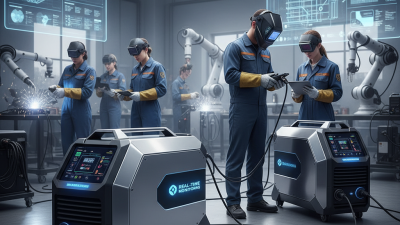
Connected machines can record duty cycles, fault codes, and thermal events. Grand View Research identifies smart manufacturing and digitally controlled equipment as important market trends.
Future models may use remote diagnostics, adaptive arc control, and more efficient power components.
Silicon-carbide switching is promising, but repair skills must develop alongside it. Otherwise, a lighter machine may become harder to service.
The best 2026 choice will balance portability, rated output, service access, and verified protection features.

 WeChat Online Service