2026 Top Welding Machine Reviews and Buying Guide?
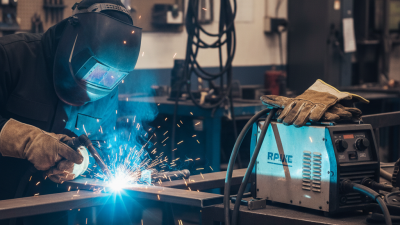
When it comes to welding, choosing the right equipment is crucial. Expert welder John Stevens emphasizes, “A reliable welding machine is the backbone of any successful project.” His experience reflects the importance of selecting a quality welding machine. This guide will explore the top welding machines of 2026, bringing you insightful reviews and essential buying tips.
In the welding industry, precision and efficiency matter greatly. An ideal welding machine can enhance productivity and ensure high-quality results. The right features can make a significant difference. However, many buyers overlook essential details, leading to regrets later. Evaluating what you need is vital for making an informed choice.
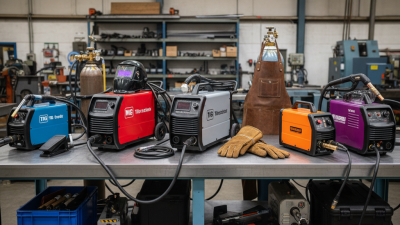
Welding machines come in various types. Each model has unique strengths and weaknesses. Understanding these nuances can help you avoid common pitfalls. As we dive into the reviews, we will highlight the pros and cons of each option. This will help you find the best welding machine for your specific needs.
Overview of Welding Machines: Types and Applications
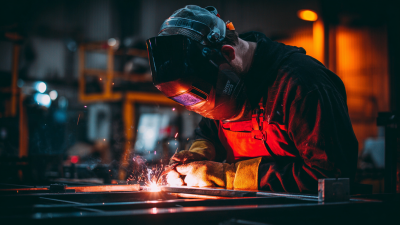
Welding machines come in various types, each designed for specific applications. Understanding these types is essential for making informed choices. The two primary categories are arc welding and gas welding. Arc welding uses electricity to create heat for welding metals. It is widely used in industrial settings. Electric arcs generate high temperatures, allowing for deep penetration and strong welds.
Gas welding, on the other hand, uses a flame fueled by gas. This method is often employed in repair work and small-scale projects. While it is versatile, it requires more skill. Operators must manage the flame carefully to avoid burn-through on thinner materials. Each welding method has unique advantages and challenges. An ideal machine should match the project's needs, which may not always be straightforward.
Welders must also consider the material type and thickness when choosing a machine. Steel, aluminum, and stainless steel require different approaches. Furthermore, the process can be trial and error. Beginners might struggle to control heat and speed. Producing consistent and high-quality welds takes practice. Some might need additional training to fully utilize their equipment. It's important to reflect on one's progress regularly. Recognizing areas for improvement can lead to better results in the long run.
2026 Top Welding Machine Reviews and Buying Guide
| Type |
Application |
Power Source |
Welding Thickness (inches) |
Weight (lbs) |
Price Range ($) |
| MIG Welder |
Metal fabrication, Automotive |
Electric |
0.030 - 0.250 |
50 - 80 |
200 - 800 |
| TIG Welder |
Precision work, Stainless steel |
Electric |
0.020 - 0.090 |
40 - 60 |
300 - 1500 |
| Stick Welder |
Heavy-duty steel, Construction |
Electric/Arc |
0.050 - 0.500 |
60 - 100 |
150 - 700 |
| Multi-Process Welder |
Versatile welding tasks |
Electric |
0.030 - 0.250 |
70 - 150 |
300 - 2000 |
| Plasma Cutter |
Metal cutting, Fabrication |
Electric |
Up to 1.00 |
50 - 80 |
300 - 1500 |
Key Factors to Consider When Choosing a Welding Machine
When choosing a welding machine, several key factors must guide your decision. The type of welding you will perform plays a crucial role. MIG, TIG, and stick welding machines differ significantly and are suited for various applications. Consider what projects you plan to tackle. A multi-process machine might seem appealing, but it could add unnecessary complexity if you only need basic functions.
Power requirements are another aspect to weigh. Assess the materials you will work with and their thickness. A machine with insufficient power will underperform. It's also essential to think about the portability of the machine. If you expect to move your equipment frequently, a lightweight option could be more practical than a heavier model.
Tip: Always verify the machine’s duty cycle. A higher duty cycle enables longer periods of operation without overheating.
Don't overlook user reviews and expert opinions. They can provide valuable insights into the machine’s reliability and performance in real-world settings. However, be cautious; not every review is helpful. Some may reflect personal bias rather than factual performance.
Tip: Look for machines that offer warranties. This can indicate the manufacturer's confidence in their product. A good warranty can save money in the long run.
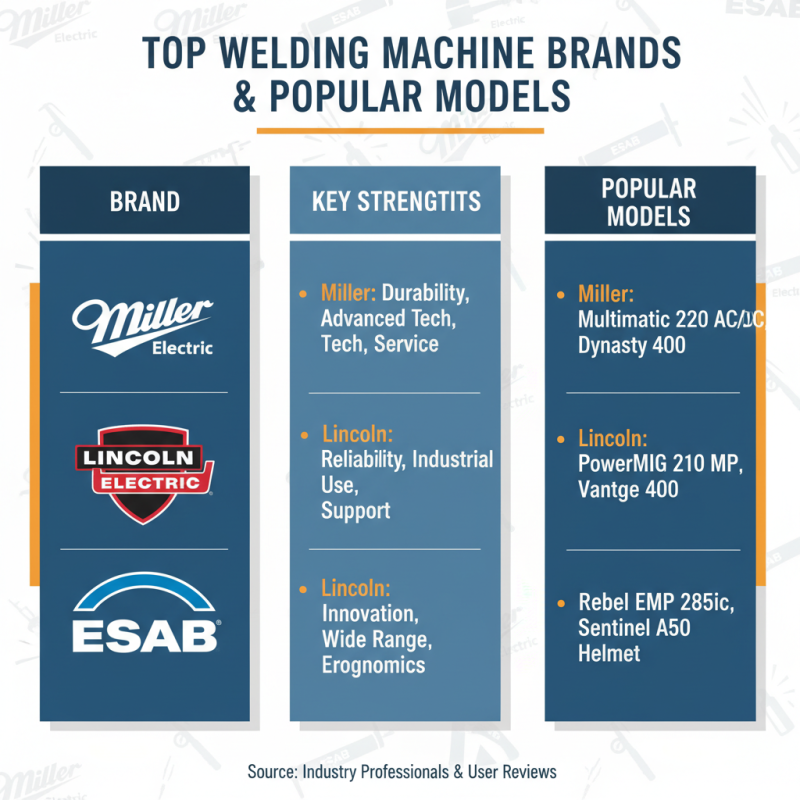
Top Welding Machine Brands and Their Popular Models
When it comes to welding machines, choosing the right brand can be overwhelming. Different manufacturers offer unique features, strengths, and customer support. A well-established brand often indicates reliability and innovation. Many users appreciate brands known for their durable products. Popular models are often highlighted by professionals in the industry.
When selecting a welding machine, consider features that matter most. Some brands focus on portability, while others emphasize power and versatility. Popular models may cater to hobbyists or industrial users. The comfort of use and ease of maintenance is crucial. An excellent machine should feel balanced in your hands.
User reviews and expert opinions play a vital role. They can point out both the strengths and weaknesses of each product. Some models might have limited warranty options or might not perform well in specific conditions. It’s essential to reflect on these aspects before making a decision. Real-world performance can sometimes tell a different story than marketing materials.
Comparative Review of the Best Welding Machines for 2026
When choosing a welding machine for 2026, several factors are crucial. Industry reports indicate that the demand for versatile and portable welding machines is rising. This aligns with the increasing need for efficient and quality welding in various sectors. A comparative review reveals that both MIG and TIG welders are popular due to their unique advantages, such as ease of use and precision.
Technical specifications are vital when selecting a machine. For instance, the input power, duty cycle, and amperage rating can significantly influence performance. A machine with a higher duty cycle allows for longer operational times without overheating. Data from market analysts show that machines with a duty cycle above 60% are becoming industry standards. These details can impact not just performance but safety and longevity as well.
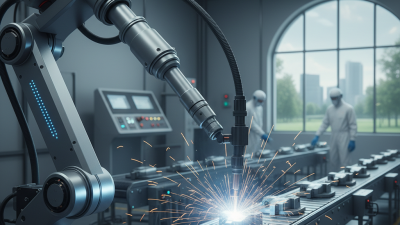
Even experienced welders face challenges in adapting to new technologies. Some machines designed for automation may not always deliver as expected. Users need to consider ongoing maintenance and the learning curve associated with advanced features. Understanding these nuances can help in making informed decisions. Investing time in research can lead to richer knowledge about welding machines and their capabilities.
Maintenance Tips for Prolonging the Life of Welding Machines
Welding machines are vital tools in many industries. Maintaining them properly can significantly extend their lifespan. Regular cleaning is essential. After each use, make sure to wipe down the machine. Dust and debris can accumulate, potentially leading to malfunctions. Keep the ventilation areas clear to ensure efficient cooling.
Check the cables and hoses frequently. Frayed wires can cause poor connections. Replace any damaged parts promptly. It's also important to store the machine correctly. Keep it in a dry place, away from extreme temperatures. This helps to prevent rust and corrosion. Using a protective cover can add an extra layer of defense.
Lubrication is often overlooked but is crucial. Follow the manufacturer's guidelines on lubrication schedules. Oil can help moving parts operate smoothly. Be cautious not to over-lubricate, as this can create a mess. Each machine is unique, so understanding its specific needs is key. This level of care requires attention and effort, but the result is a reliable and efficient welding machine.

 WeChat Online Service