How to Become a Skilled Aluminum Welder and Master Techniques?
The demand for skilled aluminum welders has surged in recent years. According to the American Welding Society, the welding workforce is projected to grow by 26% from 2019 to 2029. This growth is largely driven by the increasing use of aluminum in various industries, including automotive and aerospace. Aluminum's lightweight and corrosion-resistant properties make it a preferred choice for many applications.
Becoming a proficient aluminum welder requires dedication and practice. Mastering techniques such as TIG and MIG welding is essential. These methods allow welders to join aluminum pieces effectively. Yet, the learning process can be frustrating at times. Mistakes may happen, and it's crucial to learn from them. Building a foundation in welding theory and hands-on experience is vital.
A reliable aluminum welder not only understands the basics but also adapts to challenges. The right training and continuous skill development are key. By embracing both successes and failures, anyone can evolve into a competent aluminum welder. The journey is not easy, but it is rewarding in the ever-evolving welding industry.
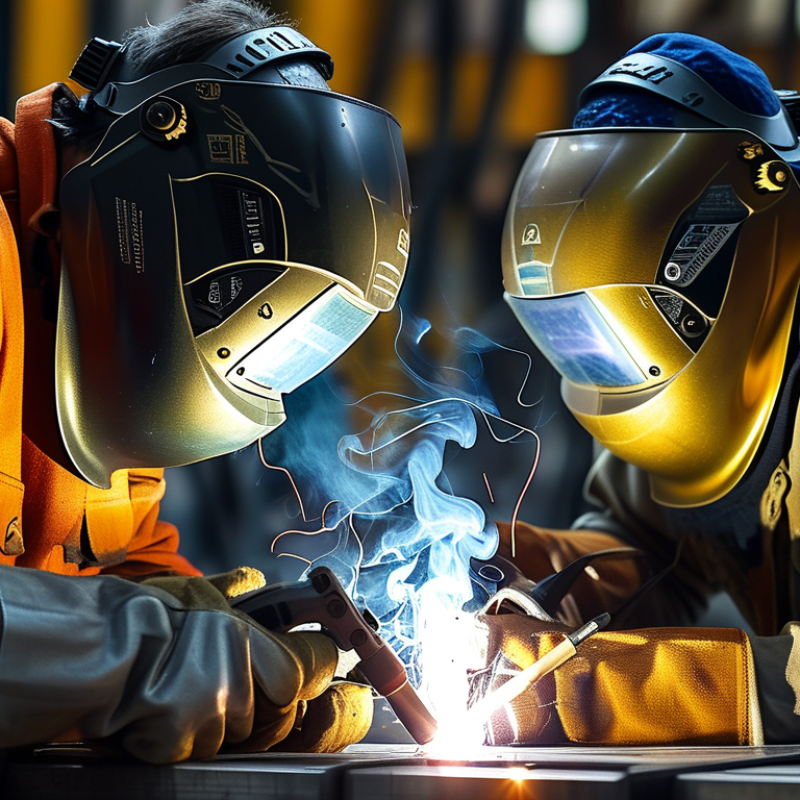
Understanding Aluminum Welding: Fundamentals and Importance in Industry
Aluminum welding plays a crucial role in various industries, from automotive to aerospace. Understanding its fundamentals is essential for skilled welders. Aluminum is lightweight and resistant to corrosion, making it a popular choice for many applications. However, it also presents unique challenges. The high thermal conductivity of aluminum can lead to warping and distortion. This factor requires welders to adjust their techniques accordingly.
Mastering aluminum welding techniques demands attention to detail. Proper fit-up, preheating, and appropriate filler materials are crucial for success. Many beginners struggle with creating clean and strong welds. They may face issues like porosity and inadequate penetration. These problems highlight the importance of practice and reflection. Learning from mistakes can lead to improved skills over time. Seeking guidance from experienced welders can help refine techniques.
Being aware of the different welding processes is vital. MIG and TIG welding are common methods for aluminum. Each method has its own set of benefits and drawbacks. Understanding these processes allows welders to choose the right one for the job. Coupled with continuous learning and skill development, this knowledge can enhance a welder's expertise in aluminum welding.
Essential Tools and Equipment for Precision Aluminum Welding
When it comes to precision aluminum welding, the right tools and equipment are essential for achieving high-quality results. According to the American Welding Society, the choice of tools significantly affects weld quality and productivity. A TIG welder is often recommended for aluminum due to its ability to create clean, precise welds. The welder's amperage range should typically be adjustable between 150 to 200 amps, ensuring versatility for various thicknesses.
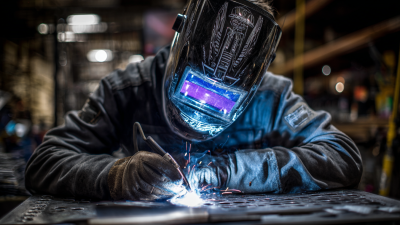
Gas flow regulators are equally vital. Proper shielding gas prevents contamination and oxidation. A flow rate between 15 to 20 cubic feet per hour is often ideal. Personal protective equipment, such as gloves and helmets with appropriate UV protection, should not be overlooked. Safety cannot be compromised, especially in environments with high metal fumes.
Filler rods are another piece of the puzzle. They come in different alloys, and using the correct type ensures better fusion. The most common choice is 4047 or 4045 rods, which offer superior compatibility with many aluminum grades. Yet, many welders overlook the importance of practice and skill development. Achieving precision requires continuous learning and adaptation to new techniques. This is a journey filled with challenges and reflection.
Key Techniques and Processes for Effective Aluminum Welding
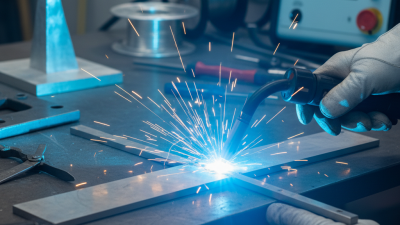
Aluminum welding requires a strong understanding of specific techniques and processes. Mastering these can elevate your skills significantly. One essential technique is proper joint preparation. Clean all surfaces thoroughly before welding. Any grease, dirt, or oxide layer can cause weak welds. Use a stainless steel brush for aluminum cleaning. It’s crucial to maintain a consistent travel speed as well. Inconsistent movement can lead to defects and weakened joints.
Another important process involves selecting the right filler material. Using the wrong filler can compromise the integrity of the weld. Ensure that the filler matches the base metal's properties. Adjusting the welding parameters is also vital. Temperature control impacts penetration and bead appearance. Welding too cold can create weak bonds while overheating may lead to distortion.
Practicing different joint designs can also refine your skills. T joints and butt joints offer unique challenges. Each practice session reveals different issues to address. Reflecting on these experiences helps improve your technique. Mistakes are part of the learning process. Embrace them and learn how to correct them for better results.
Aluminum Welding Skills Proficiency by Technique
Safety Standards and Best Practices in Aluminum Welding
Safety is paramount in aluminum welding. Adhering to standards reduces accidents and ensures high-quality work.
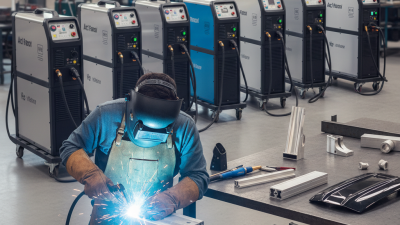
To start, always wear appropriate personal protective equipment (PPE). This includes goggles, gloves, and flame-resistant clothing.
A well-ventilated workspace also helps protect against harmful fumes.
Tips: Regularly inspect your PPE for wear and damage. Replace it when necessary.
Understanding the materials used is crucial. Aluminum can be sensitive to heat and contamination.
Keeping your workspace clean minimizes risks. Use dedicated tools for aluminum to prevent contamination from other metals.
It’s also essential to choose the right filler materials for each project.
Tips: Practice good housekeeping habits in your welding area. A clutter-free space promotes safety and efficiency.
Training is a must. Many experienced welders have learned by trial and error.
While practical experience is beneficial, formal training solidifies essential skills.
Seek out workshops or courses that focus on safety and technique. Reflect on your work after each project to identify improvement areas.
This helps you become a better welder.
Becoming Certified: Training and Qualifications for Aluminum Welders
Becoming certified as an aluminum welder requires a mix of training and skill development. This process starts with enrolling in a welding school or program that specializes in aluminum welding techniques. Many institutions offer hands-on training that is crucial. Learning from experienced instructors enhances your craft.
In addition to formal schooling, obtaining certifications can significantly boost your credentials. Various organizations provide testing and certifications that demonstrate skill in aluminum welding. A common pathway is the American Welding Society (AWS) certification, which assesses both theoretical knowledge and practical ability. Practicing on different aluminum grades helps in understanding the challenges and intricacies of this skill.
Reflection is important in this journey. It’s beneficial to seek feedback on your welding quality. Not every weld will be perfect; mistakes and flaws are part of the learning curve. Recording your progress and challenges can provide insights to improve your technique over time. As you hone your skills, staying committed to continuous learning will make your certification journey more rewarding.

 WeChat Online Service