How to Choose the Best Flux Core Welder for Your Needs?
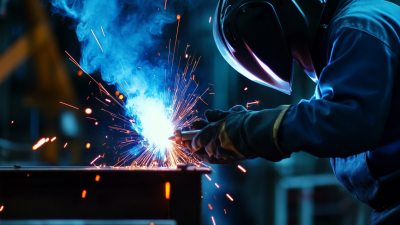
Choosing the right Flux Core Welder is crucial for achieving quality results in welding projects. According to a report from the American Welding Society, nearly 60% of welders prefer flux-cored welding for its versatility and efficiency. This welding method excels in outdoor settings and on thicker materials. As more industries turn towards automation and innovation, the demand for reliable welding techniques has surged.
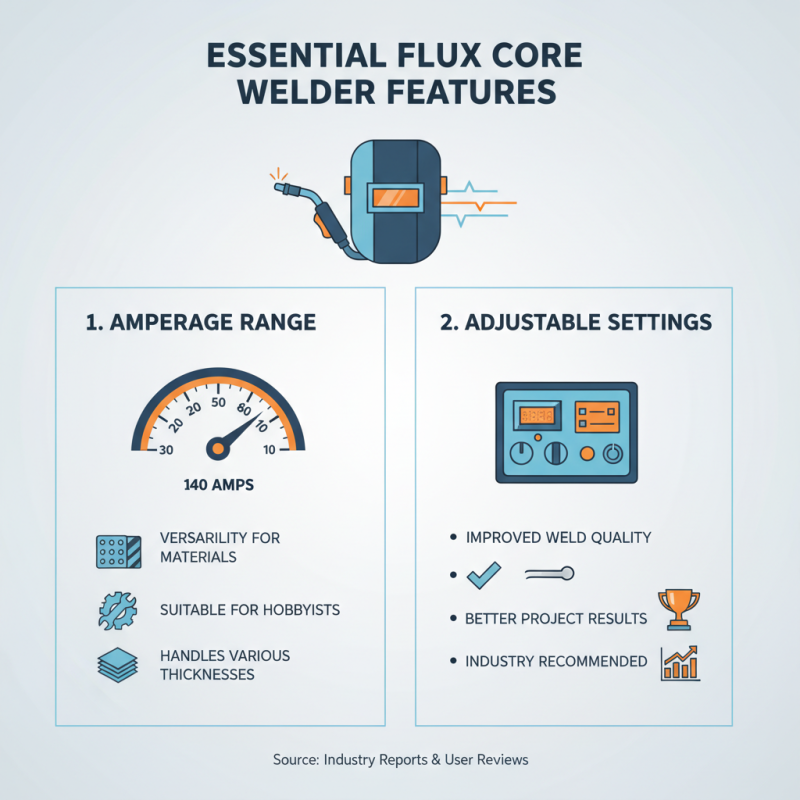
A good Flux Core Welder should have specific features that suit different needs. For instance, the output voltage and wire feeding speed play a vital role in determining the welder’s performance. Industry standards suggest that a welder with adjustable settings can enhance both accuracy and ease of use. However, it's essential to choose a device that aligns with your skill level and project requirements.
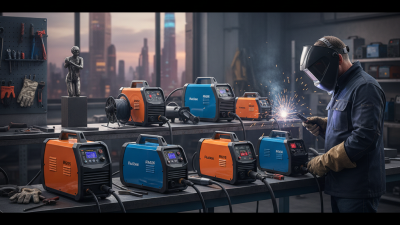
Each welder has its strengths and weaknesses. While some may favor portability, others might prioritize power. Reflecting on your priorities can significantly influence your choice. Take time to compare models and seek advice from seasoned welders. This approach can lead to more informed decisions and better outcomes in your welding endeavors.
Understanding Flux Core Welding: A Brief Overview
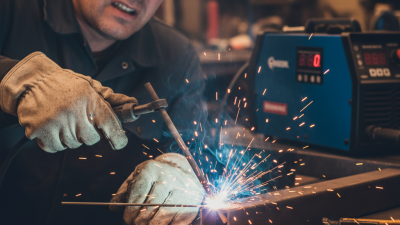
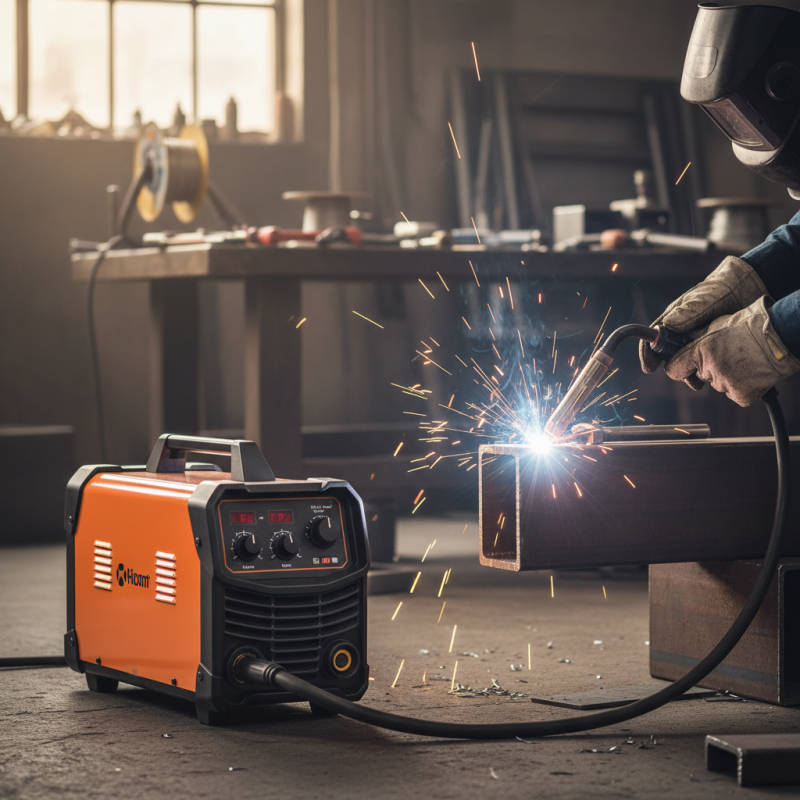
Flux core welding is a popular technique for many welders. This method uses a
tubular wire filled with flux. It is efficient and effective for various metals. The process
does not require gas shielding, making it ideal for outdoor use.
Understanding the flux core welding process is essential for success. It allows for better
penetration and faster welding speeds. However, it can create more spatter than other methods, leading to the need for additional cleanup.
Many beginners can find it challenging to control the heat input. Finding a balance is critical to avoid
burn-through on thinner materials.
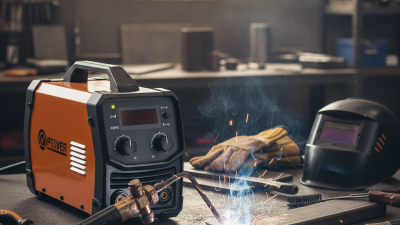
When choosing a flux core welder, factors like
duty cycle and wire feed speed
matter. A higher duty cycle means more continuous work time. Experienced welders suggest practicing on scrap materials before starting
any serious projects. This practice can build confidence and improve skills significantly. Each welder has their own unique learning
curve, and it’s crucial to acknowledge areas for growth.
Key Factors to Consider When Choosing a Flux Core Welder
When choosing a flux core welder, consider the power output. It plays a crucial role in determining the thickness of materials you can work with. A welder with 110V is sufficient for thin materials. However, for thicker options, look for models that operate at 220V. Assess your projects and select a power range that fits.
Another factor is the wire feed speed. This feature affects the quality of the weld. A consistent feed provides better control and smoother welds. When testing a welder, pay attention to how it responds during operation. Also, examine the available settings. More settings provide flexibility, but they can be overwhelming for beginners.
Additionally, consider portability. If you move your workspace frequently, a lightweight, compact welder is beneficial. Yet, ensure it doesn't compromise on performance. Evaluate the duty cycle as well; a higher duty cycle allows for extended use without overheating. It’s essential to reflect on what tasks you'll be tackling and choose equipment that truly meets those needs.
Types of Flux Core Welders and Their Suitability for Different Projects
Flux core welders come in several types, each ideal for specific projects. The two primary categories are self-shielded and dual-shielded welders. Self-shielded models are great for outdoor use. They don't require shielding gas, making them convenient. However, they may produce more spatter and offer less control over the weld pool.
Tips: When choosing a welder, consider the environment where you'll work. Indoor projects may benefit from dual-shielded welders. They use gas to protect the weld, resulting in cleaner welds. This feature can be crucial for intricate work or when aesthetics matter.
In addition, consider your experience level. Beginner welders may prefer machines with simple controls. Advanced users might seek out more versatile models. Ensure the welder you choose matches your skill set and project complexity. Not all welders are suitable for every task. Take time to assess your specific needs before purchasing. Remember, making the right choice early on can save time and money later.
How to Choose the Best Flux Core Welder for Your Needs? - Types of Flux Core Welders and Their Suitability for Different Projects
| Type of Flux Core Welder |
Suitability |
Max Material Thickness (inches) |
Common Applications |
| Gasless MIG Welder |
Beginner Projects |
0.25 |
Home Repairs, Light Fabrication |
| Dual-Voltage Welder |
Versatile Projects |
0.5 |
Automotive Repairs, Hobbyist Work |
| Industrial Flux Core Welder |
Heavy-Duty Projects |
1.0 |
Construction, Heavy Machinery Repairs |
| Portable Flux Core Welder |
On-Site Jobs |
0.2 |
Outdoor Work, Maintenance |
| Multi-Process Welder |
Advanced Users |
0.75 |
Diverse Applications, Complex Projects |
Essential Features to Look for in a Flux Core Welder
When selecting a flux core welder, certain features can make a significant difference. One essential aspect is the amperage range. Most hobbyists need a welder with at least 30 to 140 amps. This range typically accommodates various materials and thicknesses, providing versatility for different projects. According to industry reports, many users find that welders offering adjustable amperage settings lead to better results.
Another critical feature is the wire feed speed. Ideally, look for models with adjustable speeds. A proper feed rate enhances welding quality and reduces the likelihood of defects. Some studies indicate that a feed speed range of 50 to 600 inches per minute generally yields the best performance. However, many beginners overlook this factor, resulting in inconsistent welds.
Also, consider the welding process itself. Many flux core welders use gasless operations, making them suitable for outdoor work. Yet, gasless welding produces more spatter, requiring a bit more cleanup. Understanding these aspects can lead to better-informed decisions. Engaging in this experience often highlights the learning curve associated with each feature.
Comparing Price and Quality: Finding the Best Value in Flux Core Welders
When comparing price and quality in flux core welders, it's essential to understand what you get for your investment. Industry reports indicate that mid-range models, typically priced between $300 and $600, offer a balanced mix of performance and reliability. Users often find these welders suitable for DIY projects and light industrial tasks. However, it’s crucial to look beyond the price tag; the efficiency and compatibility of consumables can significantly affect long-term costs.
The functionality and durability of wire feed mechanisms play a vital role. Research shows that welders with better feed systems can reduce wire jams and enhance the welding experience. A welder with a higher amperage rating, often costing a bit more, can provide better penetration and versatility. Yet, some lower-priced models perform adequately in steel and aluminum applications, showing that price does not always equate to quality.
Many novice welders overlook the importance of user reviews. These can reveal potential issues with specific models. While some welders are advertised as "beginner-friendly," feedback often uncovers challenges in setting up or achieving consistent results. Understanding these nuances can guide you toward a welder that fits both your budget and your skill level. As you search for value, consider not just the initial cost but the overall performance throughout your projects.
Comparing Price and Quality of Flux Core Welders
This chart compares the prices and quality ratings of different flux core welders, helping you to analyze the best value options for your welding needs.

 WeChat Online Service