How to Choose the Right Inverter Welder for Your Needs?
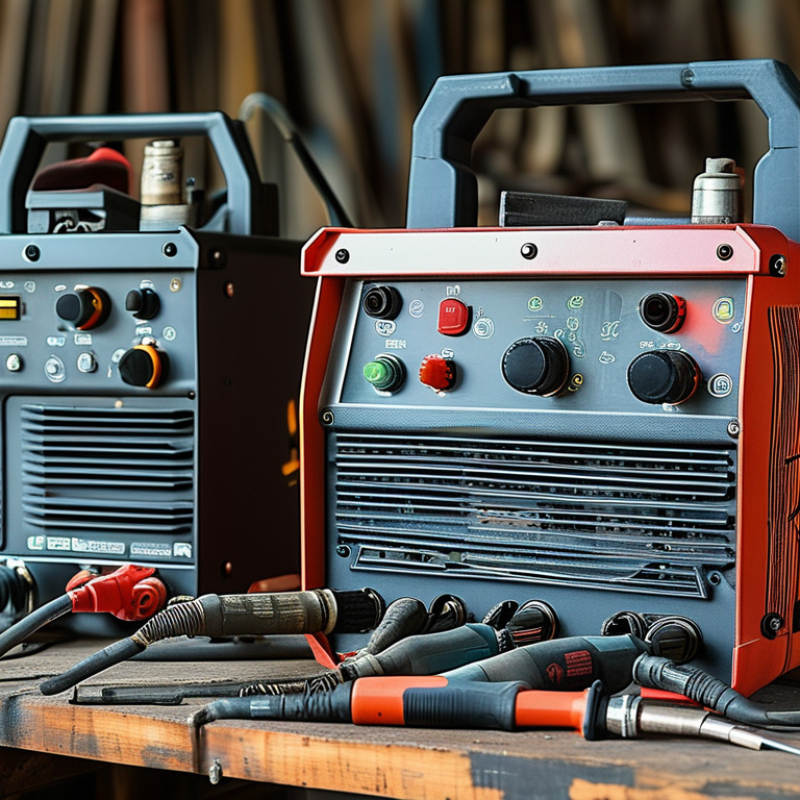
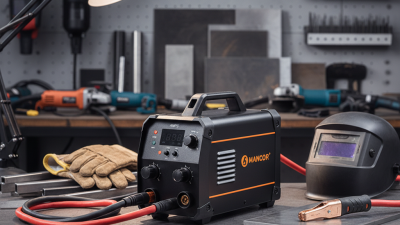
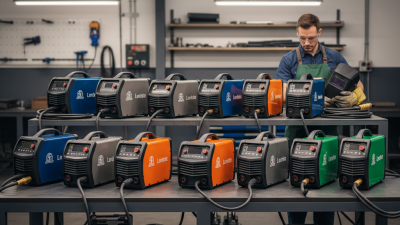
Choosing the right Inverter Welder can significantly impact your welding projects. Whether you are a hobbyist or a professional, the right welder ensures quality work. Inverter Welders are known for their versatility and efficiency. They are lighter and more portable compared to traditional welders.
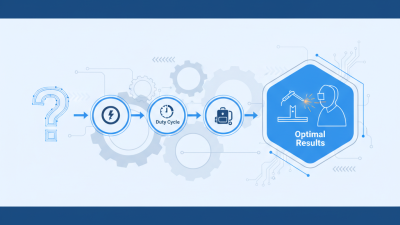
One must consider several factors when selecting an Inverter Welder. Power ratings, duty cycles, and types of welding play crucial roles. Personal experience in welding can guide your choice. It’s advisable to reflect on the materials you often work with, as this can dictate your welder requirements.
While many may rush their decision, taking time to evaluate options is essential. Each model has unique features that cater to different needs. This might lead to confusion, especially if you are new to welding. Ultimately, the goal is to find an Inverter Welder that suits your specific projects and enhances your skills.
Understanding Different Types of Inverter Welders: MIG, TIG, and Stick
When choosing an inverter welder, understanding the different types is crucial. MIG (Metal Inert Gas), TIG (Tungsten Inert Gas), and Stick welding offer unique benefits. MIG welders are known for their speed and ease of use. They work well with thicker materials and are perfect for beginners. However, they can struggle with outdoor projects due to wind affecting the shielding gas.
TIG welding, on the other hand, provides precise control and is ideal for thin materials. It excels in producing clean, high-quality welds. Yet, it requires a higher skill level. The learning curve can be steep. Stick welding is versatile and effective on various materials. It’s great for outdoor work due to its resistance to wind. But it can create more spatter and may require cleanup afterward.
Evaluating these options is key to finding your fit. Assess your skill level, project requirements, and the materials you will use. Each welding type has strengths and weaknesses. Understanding these can lead to better decisions. Reflecting on personal experiences can also help improve your craft over time.
Key Specifications to Consider When Selecting an Inverter Welder
When selecting an inverter welder, several key specifications demand your attention. One critical aspect is the amperage range. A welder with a broad amperage range offers versatility. This allows you to tackle various tasks, from thin sheet metal to thicker materials. Many models allow adjustments for precision. However, choosing an inappropriate range may limit your capabilities.
Another essential specification is duty cycle. This indicates how long the welder can operate continuously before needing a break. A higher duty cycle means longer working times. For heavy-duty projects, a 60% duty cycle might be necessary. Yet, for lighter tasks, a lower duty cycle could suffice. Always consider your typical workload.
Portability is also vital. If you plan to move your welder frequently, weight and design matter. Lightweight models can be easier to transport. However, they may sacrifice some power. Finding the right balance between portability and performance can be challenging. Don’t overlook the importance of user reviews when making your decision. They can provide insights into potential issues. This empirical feedback helps in understanding real-world performance, thereby enhancing your choice.
Essential Features for Optimal Performance in Inverter Welding Machines
When selecting an inverter welder, it’s crucial to consider essential features that ensure optimal performance. One key factor is the duty cycle, which indicates how long a welder can operate before needing a cool-down period. A higher duty cycle means more extended use, which is vital for large projects. Look for machines with at least a 60% duty cycle for reliable performance in various applications.
Another necessary feature is the range of amp settings. A welder should offer flexibility in output. This allows you to adapt the heat according to the material thickness. It's frustrating to use a welder with limited settings when working on diverse tasks. Additionally, consider the unit’s portability. Lightweight models with compact designs make it easier to maneuver in tight spaces.
Lastly, always check for safety features. Overload protection and automatic shut-off functions are critical for safe operation. It’s tempting to overlook these aspects, but skimping on safety can lead to accidents. Assessing these criteria thoroughly can sometimes feel overwhelming, but it leads to better choices, ensuring you find a machine suited to your welding needs.
Evaluating Power Requirements: Input Voltage and Output Amperage
When evaluating power requirements for an inverter welder, the input voltage and output amperage are crucial. Different welding tasks demand distinct power levels, so understanding these specifications is essential. For instance, a typical input voltage might range from 120V to 240V. Higher input voltages enable more efficient operation, especially for heavier tasks.
Output amperage directly affects the thickness of the material you can weld. A welder with a high output amperage can easily handle thicker metals. Conversely, a lower amperage unit is suitable for light-duty projects. You should be mindful of the amperage range that matches your needs. Many users find themselves underwhelmed when they choose a unit that doesn’t meet their project demands.
Also, consider the setup of your workspace. You may find a welder that matches your specifications, but if it requires a different plug type, issues may arise. Be prepared to evaluate your electrical setup. A reliable power source is essential to ensure safety and efficiency. Ultimately, balancing these factors is key to making an informed decision. This critical evaluation can save time and resources in the long run.
Evaluating Cost vs. Quality: Finding the Best Value in Inverter Welders
When selecting an inverter welder, it’s essential to balance cost and quality. Industry reports indicate that high-quality inverters typically range from $300 to $800. Budget models are available but often lack the durability and features of higher-end options. Choosing a cheaper model might save you money upfront. However, you may face reliability issues over time. This trade-off can lead to higher long-term costs due to repairs or replacements.
Tips: Look for models with a strong warranty. A good warranty reflects the manufacturer's confidence in their product. Consider also the welder's duty cycle. Higher duty cycles can enhance performance for prolonged tasks.
Many users often overlook the importance of a welder's portability. A lightweight and compact model can significantly improve your working capabilities. Reliable data shows that portable options have become more popular due to increased demand in various industries. However, while portability is essential, it should not compromise power and functionality. Regularly review your specific needs before making a final decision.

 WeChat Online Service