2026 How to Choose the Best Stick Welder for Your Projects?
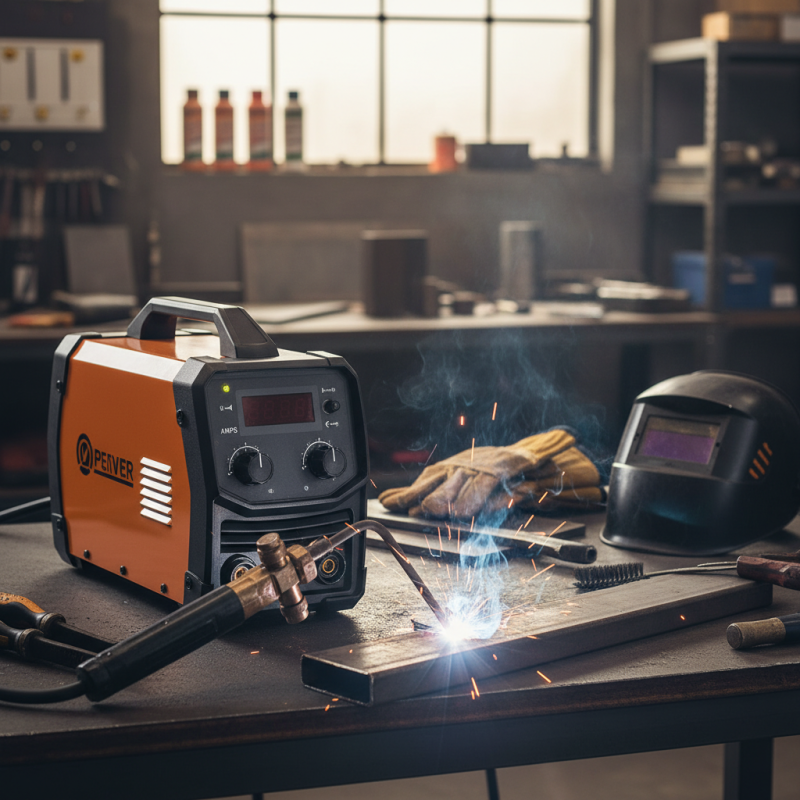
Choosing the right stick welder can significantly impact your welding projects. A stick welder is versatile and effective for various materials. Whether you're a beginner or an experienced welder, understanding your needs is crucial.
When selecting a stick welder, consider your project's specific requirements. Think about the materials you will work with. The thickness, type, and welding position matter. A quality stick welder can make a difference in your results. However, it's essential to recognize that high-quality equipment often comes at a price.
Reflect on your budget and experience level. Some welders might find advanced features overwhelming. Simplicity can be beneficial for beginners. Yet, professionals may crave complexity for efficiency. Researching brands and reading reviews provides insight. Remember, a stick welder is an investment in your craft. Make an informed choice to enhance your welding skills.
Understanding the Basics of Stick Welding: What You Need to Know
Stick welding, also known as Shielded Metal Arc Welding (SMAW), is a fundamental welding process. It uses a consumable electrode coated in flux. As the electrode melts, it creates a weld pool and releases gas, protecting the weld from contamination. Understanding this process is crucial for anyone looking to start.
Before using a stick welder, knowing the different types of electrodes is important. They come in various diameters and coatings for different metals. Choose according to your specific project needs. Remember, not all electrodes work well on every material. Experimenting can lead to mistakes, but that’s part of learning.
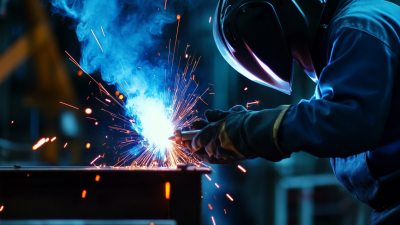
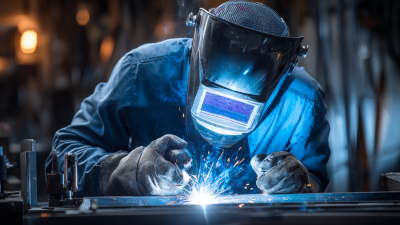
Safety is also a key consideration. Proper gear, like gloves and helmets, is a must. The bright arc can be blinding. If you’re new to welding, practicing on scrap metal can build your skills. Expect some awkward moments, but they will help you improve. Stick welding can be forgiving, yet it demands precision. Take your time to learn and reflect on your technique.
Comparison of Stick Welder Features
This chart illustrates the comparison of various features of stick welders, including amperage range, weight, duty cycle, price, and portability. Understanding these dimensions can help you choose the best stick welder for your projects.
Key Factors to Consider When Choosing a Stick Welder
When selecting a stick welder, consider the material types you'll work with. Different metals require varying amperage and electrode types. For stainless steel, a machine with high output is essential. For thinner materials, lower amperage is necessary to avoid burn-through. The flexibility to adjust settings is crucial.
Portability also matters in your decision. If you need to move the welder frequently, weight and size play a significant role. A compact model can fit into tight spaces easily. However, some portable options lack power. Reflect on your project needs and workspace before choosing.
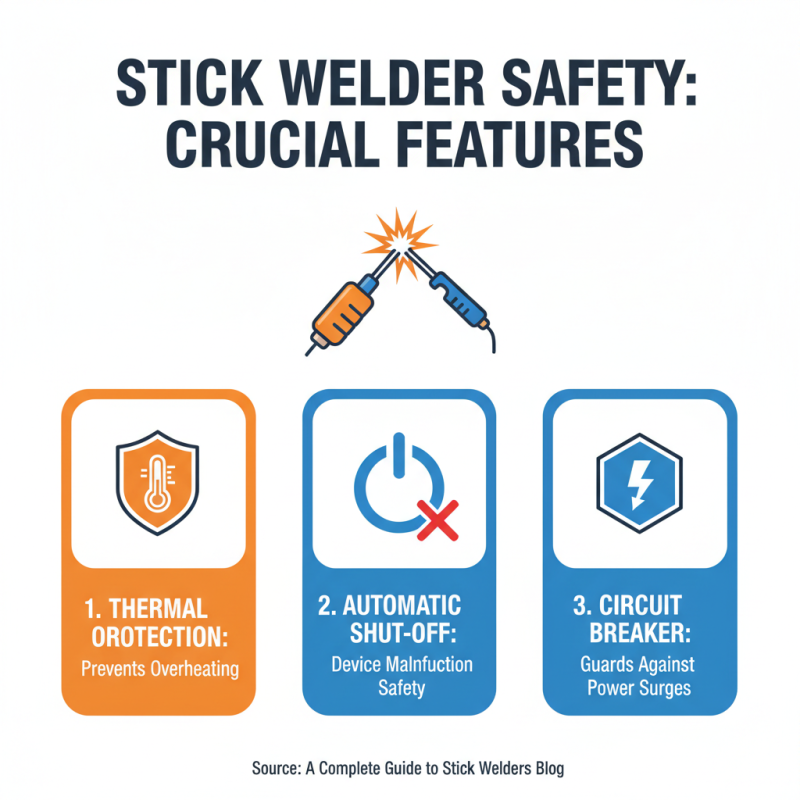
Don't overlook safety features. A welder should have good insulation and a reliable cooling system. Look for options with protective covers. These details may seem minor, but they greatly affect user safety. Remember to account for your own experience level. A more advanced machine might frustrate a beginner. Balance your needs with your skills for the best choice.
Comparing Different Types of Stick Welders: Features and Benefits
When selecting a stick welder, understanding the various types is crucial. Each type has its unique features and benefits. For instance, inverter stick welders are popular due to their lightweight design. They offer impressive control and versatility, making them suitable for different projects. However, they can be more expensive than traditional models.
Conversely, transformer stick welders are robust and affordable. They provide consistent power and are ideal for heavy-duty tasks. Yet, they can be bulky and less portable. You may find it cumbersome to transport them frequently. Additionally, they might struggle with thin materials, which can lead to poor welds.
Many welders prefer the simplicity of choosing a basic model. This can sometimes result in limitations. For instance, a basic welder might lack advanced features like adjustable amperage. This could hinder your ability to tackle complex projects. Reflect on your needs. Consider how you plan to use the welder. Your choice should align with your skill level and project requirements.
How to Assess Power Requirements for Your Welding Projects
When choosing a stick welder, assessing power requirements is essential. Start by identifying the thickness of the materials you'll weld. Thicker materials need more power. Generally, a welder needs about 30 amps for every 1/16 inch of material thickness. So, for 1/4 inch steel, you might need 150 amps.
Tips: Always account for higher amp ratings. They give you flexibility. You may not always work with the same materials. A welder with more power allows for diverse projects.
Also, consider the power source available in your workspace. Most welders operate on either 120V or 240V. Check your outlet's voltage before purchasing. Some models can switch between voltages. This can be a game-changer for mobility and convenience.
Be realistic about your requirements. Sometimes, more isn't better. Too much power can lead to burning through materials. Finding balance is key. Aim for a welder that matches your typical projects. Think long-term, too! Make sure it fits future needs as well.

 WeChat Online Service