What is a Stick Welder and How Does it Work?
A Stick Welder is a versatile tool widely used in various welding applications. Its design allows for straightforward operation, making it accessible for both beginners and experienced welders. The Stick Welder employs a process known as shielded metal arc welding (SMAW). This process uses a consumable electrode coated with flux to create an arc between the electrode and the workpiece. This method generates heat, which melts the electrode and base metal, resulting in a strong bond.
While Stick Welders are simple to use, they come with their challenges. Proper technique and skill are essential to achieve high-quality welds. Beginners might struggle with maintaining the right angle or travel speed. Even experienced welders can encounter issues like slag inclusion or inconsistent penetration. It is crucial to take the time to practice and refine these techniques. Each welder must learn to assess their work and identify areas for improvement.
In industries ranging from construction to repair, the Stick Welder remains a reliable choice. Understanding its operation can enhance both safety and effectiveness in welding tasks. Embracing its challenges helps welders grow in expertise and confidence.
Definition and Overview of Stick Welding
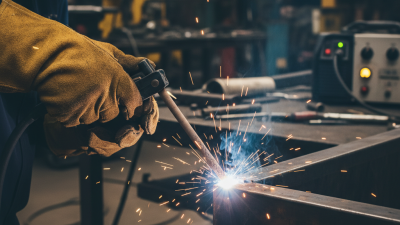
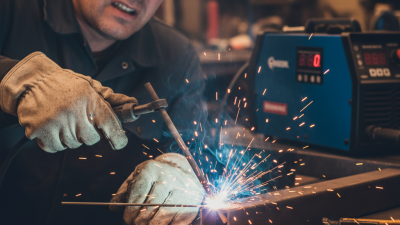
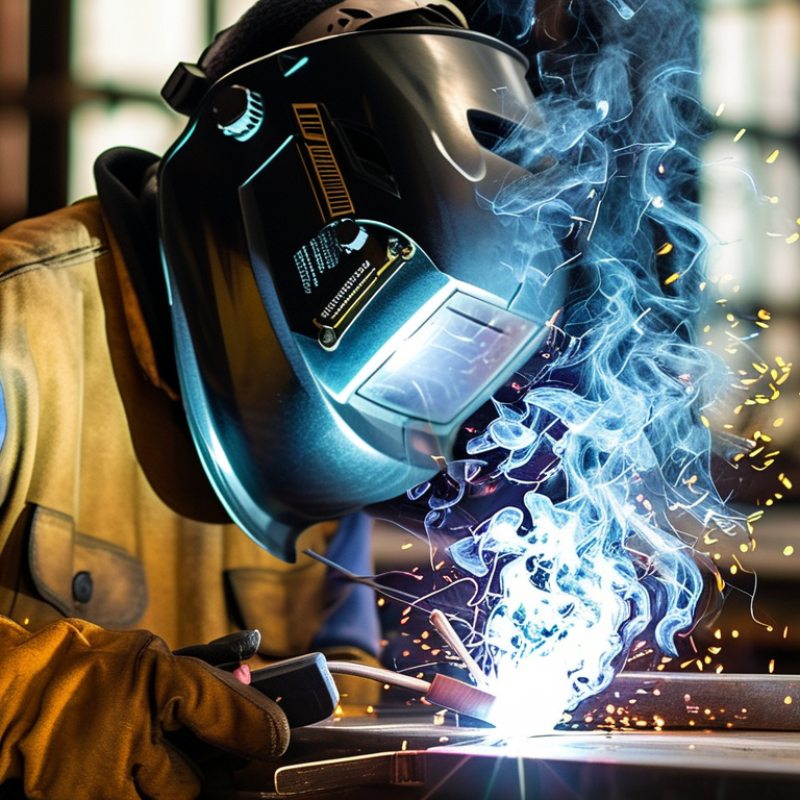
Stick welding, or shielded metal arc welding (SMAW), is a common process used in many industries. It involves using a stick electrode, which is a rod coated in flux. As the welder strikes an electric arc between the electrode and the workpiece, the heat melts the electrode and the metal. This creates a molten puddle that solidifies to form a strong joint. The flux coating produces gases that protect the weld from contamination.
One key aspect of stick welding is its versatility. It works well on various materials like steel and cast iron. Many professionals appreciate its portability, making it suitable for fieldwork. However, the technique requires practice. Achieving the right angle and distance can be challenging. Common pitfalls include inconsistent arc length, which affects weld quality.
While stick welding is effective, it may not always provide the cleanest results. You might notice slag inclusions if not cleaned properly. These imperfections can weaken the weld. Understanding the fundamentals of stick welding is essential for improvement. Experience and skill development play a significant role in mastering the technique. Regular reflection on mistakes will lead to better future welds.
Components of a Stick Welder
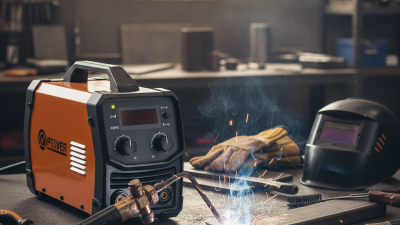
A stick welder, also known as arc welder, consists of several key components that work together to join metal pieces. At its core, the welding machine generates a strong electric arc. This arc produces intense heat, melting the metal and the electrode. The electrode, made of coated metal, serves as both a filler and a source of shielding gas. This gas protects the weld from atmospheric contamination.
One essential component is the electrode holder, where the electrode is clamped securely. A reliable connection here ensures a stable arc. Additionally, the ground clamp connects the workpiece to the welder, completing the circuit. Poor grounding can lead to weak welds. Power settings are also vital for effective welding. The amperage must align with the metal thickness for optimal results.
Tips: Always check the electrode type for compatibility with your materials. Incorrect choices can cause failure and frustration. Remember, safety gear like gloves and helmets is crucial to prevent injury. Improper use can lead to accidents and long-term damage. Proper training and practice are necessary to master stick welding and ensure successful outcomes.
Principle of Operation: How Stick Welding Works
Stick welding, or Shielded Metal Arc Welding (SMAW), operates on a simple yet effective principle. An electric current generates heat through an electrode. This heat melts the electrode and a small portion of the base metal, forming a weld pool. As the electrode burns, it creates a protective gas shield. This shield prevents contamination from the atmosphere, ensuring a strong weld.
The stick welder's design allows it to be used in various conditions, including outdoors. This versatility gives it an edge in many applications. However, the technique has its challenges. The welder must maintain the right arc length consistently. If the arc is too short, it can lead to a weak weld; if it's too long, it can cause spatter. The welder's skill significantly impacts the quality of the joint.
While stick welding is accessible for beginners, mastering it takes time. Each weld should be a learning experience. It’s easy to get frustrated when things don’t go as planned. Reflecting on each attempt helps identify areas for improvement. Adjusting technique and experimenting with different settings can yield better results over time.
Applications and Uses of Stick Welding
Stick welding, also known as shielded metal arc welding (SMAW), is widely used in various industries due to its versatility and efficiency. This method is popular in construction, manufacturing, and repair applications. In construction, it’s a go-to choice for welding structural steel and pipelines. Data from the American Welding Society indicates that stick welding accounts for roughly 40% of all welding done in the United States, making it a key player in the industry.
One notable application of stick welding is in maintenance and repair work. Due to its portability, stick welders can be used on-site, allowing for repairs in challenging environments. A report by the International Institute of Welding highlights that stick welding is particularly effective in conditions with limited access to power sources. However, users must be aware that the process can produce significant slag and fumes, which requires careful handling and safety measures.
Additionally, stick welding is favored for its ability to weld thick materials and perform well in adverse conditions. Industries like shipbuilding and heavy equipment manufacturing rely heavily on this technique. Despite its many benefits, it can be tricky for beginners. Mastering the arc stability and technique requires practice. Understanding these nuances can lead to higher-quality welds and better overall results.
What is a Stick Welder and How Does it Work? - Applications and Uses of Stick Welding
| Application |
Description |
Common Materials |
Industry |
| Construction |
Used for joining heavy structural elements. |
Steel, Iron |
Civil Engineering |
| Automotive Repair |
Welding car components, frames, and exhaust systems. |
Steel, Cast Iron |
Automotive |
| Manufacturing |
Used in production lines for fabricating parts. |
Alloys, Stainless Steel |
Manufacturing |
| Shipbuilding |
Welding hulls and other structural elements of ships. |
Steel, Aluminum |
Marine |
| Repair Work |
Fixing broken machinery and equipment. |
Steel, Various Metals |
Maintenance |
Benefits and Limitations of Stick Welding
Stick welding, also known as arc welding, has distinct benefits and limitations. Its simplicity makes it appealing for many welders. You need minimal equipment to get started, which is great for beginners. The process also works well on rusty or dirty metals, providing flexibility in various environments. Many projects benefit from its fast and direct application.
However, stick welding does have drawbacks. The heat from the process can cause warping in thinner materials. Beginners might struggle with maintaining a consistent arc length. This can lead to uneven welds, which are difficult to fix. Moreover, the fumes produced can be hazardous and require good ventilation. The finish may also not be as clean as other welding methods. These aspects invite reflection on the importance of careful application. Balancing the advantages with potential challenges is essential for successful welding.
Stick Welding Process - Efficiency and Applications

 WeChat Online Service