Top 10 Tips for Choosing the Best Aluminum Welder?
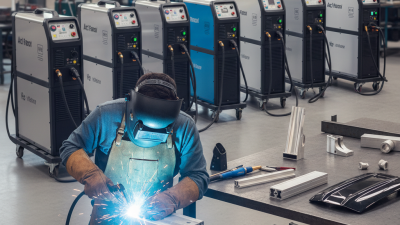
Choosing the right Aluminum Welder can be daunting. With numerous options available, expertise is critical. Renowned welding expert, John Smith, emphasizes, “A skilled Aluminum Welder can make or break your project.” This statement highlights the importance of selecting a qualified professional.
When considering an Aluminum Welder, experience matters a lot. Look for welders with years of hands-on work in different settings. Certifications are also essential; they indicate a welder’s knowledge and adherence to industry standards. The right tools and techniques can significantly impact the quality of the weld.
Don’t overlook reviews and testimonials. Feedback from previous clients provides valuable insights. Every welder has their unique style, so it’s wise to ask questions. Their responses will reveal their depth of understanding. Keep in mind that even the best welders can miss details. A careful evaluation will help you find an Aluminum Welder who fits your specific needs.
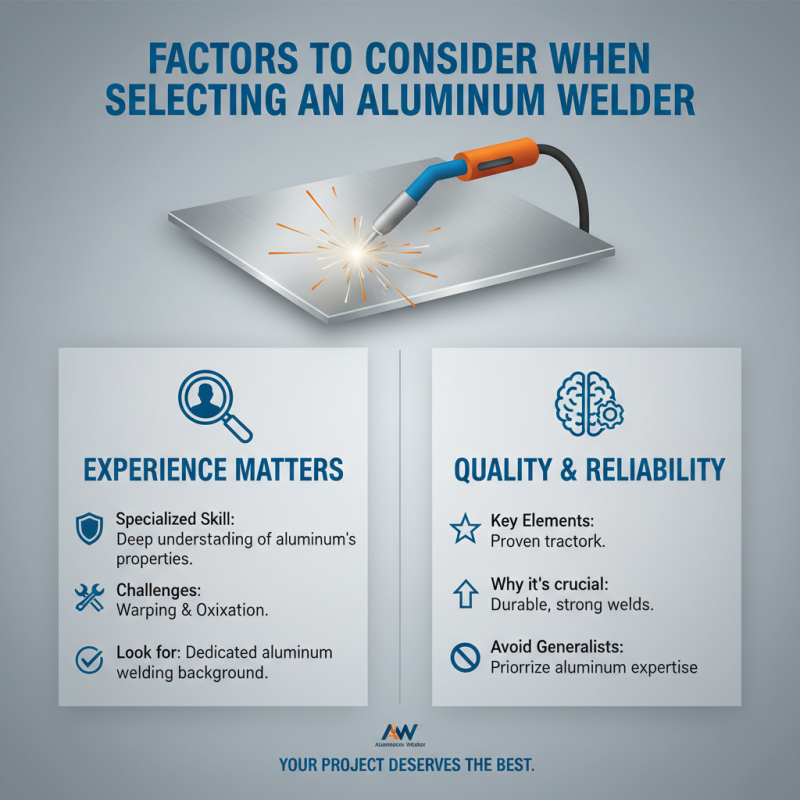
Factors to Consider When Selecting an Aluminum Welder
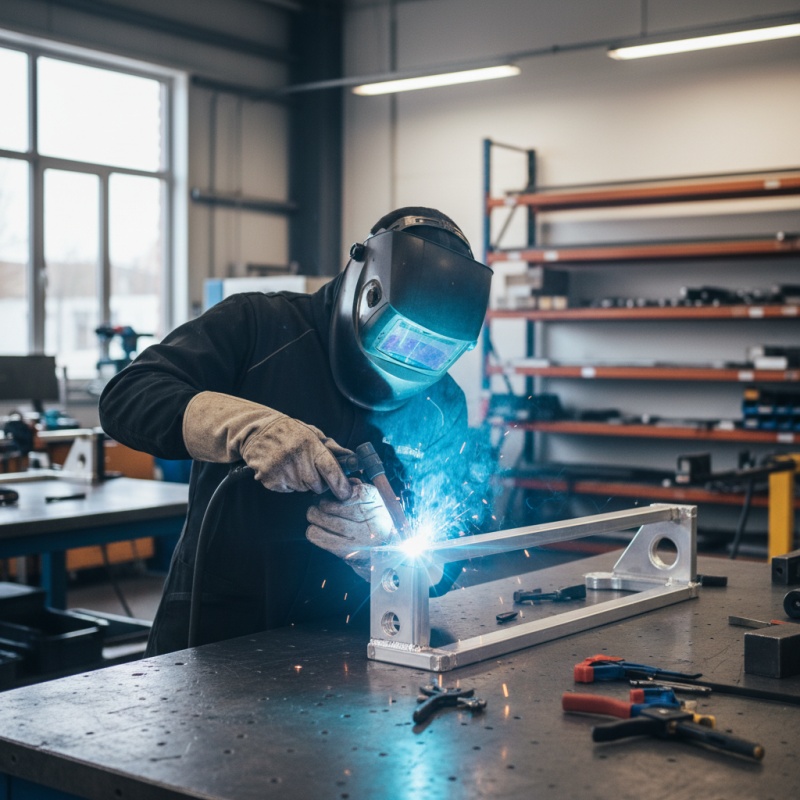
When selecting an aluminum welder, it’s crucial to consider various factors to ensure quality and reliability. One key element is the welder's experience with aluminum. Aluminum welding is a specialized skill and requires a deep understanding of the material’s properties. Experienced welders can navigate challenges, such as warping and oxidation. A solid background in aluminum welding, rather than general welding, is essential.
Another important factor is the type of welding process used. Common methods include TIG and MIG welding. Each technique has its advantages and disadvantages. For critical applications, TIG welding offers better precision but requires more skill. MIG welding is efficient for thicker materials but may not provide the same level of control. Reflect on what is needed for your specific project.
Pay attention to the welder’s certifications. Certifications are evidence of professionalism and commitment to quality. They reflect a mastery of safe and effective welding techniques. Assessing the materials and equipment a welder uses is also useful. High-quality tools lead to better results. However, not all affordable options mean poor quality. Sometimes, budget-friendly choices work just as well. Balance cost with performance by identifying trusted sources in your network.
Types of Aluminum Welding Techniques and Their Applications
When it comes to aluminum welding, understanding the various techniques is crucial. One popular method is MIG (Metal Inert Gas) welding. It is known for its speed and versatility. MIG welding involves feeding a continuous wire electrode into the weld pool. It works effectively on thin and thick aluminum. However, it requires proper shielding gas to prevent oxidation.
TIG (Tungsten Inert Gas) welding is another widely used technique. It offers precision and control, making it ideal for intricate designs. TIG uses a non-consumable tungsten electrode. The welder must manually feed filler material into the weld. This technique can be time-consuming, yet the results are often cleaner. Achieving the perfect bead takes practice.
Another technique is stick welding. While less common for aluminum, it has its applications. Stick welding uses a flux-coated electrode and can be effective in outdoor conditions. However, it tends to create more slag, making cleanup a challenge. Each method has its strengths and weaknesses, and the choice depends on the project requirements. It's vital to consider these factors before making a decision.
Top 10 Tips for Choosing the Best Aluminum Welder
| Tip No. |
Tip |
Technique |
Applications |
| 1 |
Assess Your Welding Needs |
MIG Welding |
Automotive, Aerospace |
| 2 |
Consider the Thickness of Aluminum |
TIG Welding |
Thin Sheet Metal Work |
| 3 |
Check for Versatility |
MIG/TIG Combo |
General DIY, Fabrication |
| 4 |
Look for Portability if Needed |
Stick Welding |
Outdoor Projects |
| 5 |
Evaluate Power Supply Requirements |
MIG Welding |
Heavy-Duty Fabrication |
| 6 |
Consider Duty Cycle |
TIG Welding |
Precision Work |
| 7 |
Review Customer Feedback |
MIG Welding |
Automotive, DIY Projects |
| 8 |
Check for Safety Features |
TIG Welding |
High-End Fabrication |
| 9 |
Understand the Maintenance Requirements |
MIG Welding |
General Maintenance Work |
| 10 |
Set a Budget |
All Techniques |
Variety of Applications |
Essential Features to Look for in an Aluminum Welder
When selecting an aluminum welder, it's crucial to consider key features that enhance performance and usability. Aluminum welding requires specific characteristics due to the metal's unique properties. The welder should have a high amperage range to handle thick materials while being precise for thinner sheets. A report from the American Welding Society highlights that consistent heat input is essential for preventing warping in aluminum.
Another vital feature is portability. Many projects require mobility, so a lightweight unit can provide convenience. Certain professional welders report that a portable welder improves workflow, especially on job sites. Additionally, a welder with a user-friendly interface can significantly reduce the learning curve, making it accessible for less experienced operators.
Lastly, consider the type of welding process. TIG (Tungsten Inert Gas) welding is favored for aluminum due to its clean and precise welds. According to industry statistics, over 50% of professionals prefer TIG for aluminum work. Understanding these features can guide you to make an informed decision. Always weigh the importance of each aspect before committing to a purchase.
Budgeting for Your Aluminum Welding Equipment Purchase
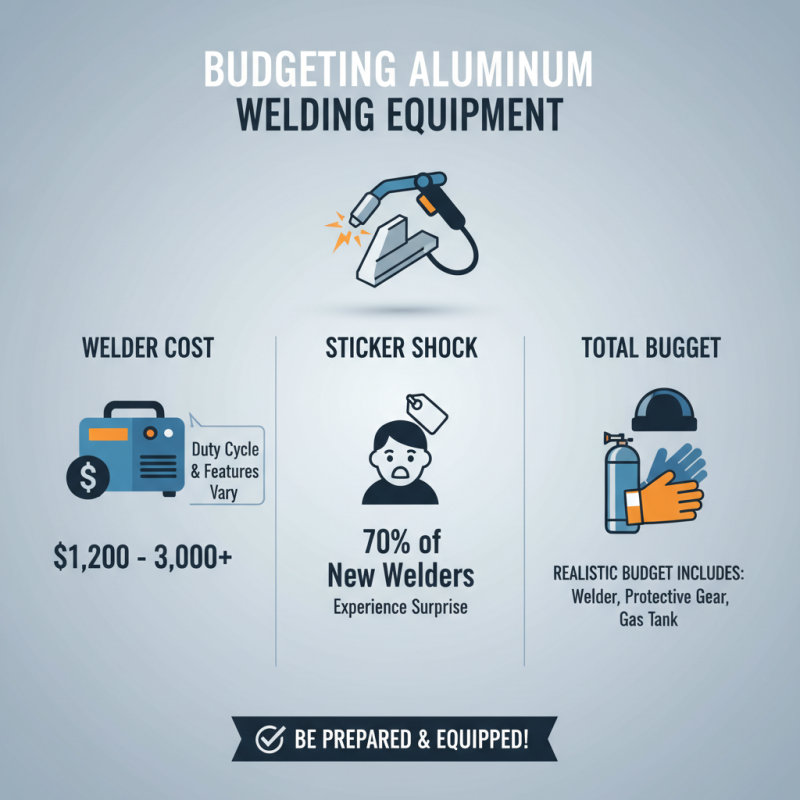
Budgeting for aluminum welding equipment can be a daunting task. The average cost of a quality aluminum welder ranges from $1,200 to over $3,000. This price variation often reflects the machine’s capabilities, such as duty cycle and features. Industry reports suggest that nearly 70% of new welders experience sticker shock when shopping for equipment. It's essential to set a realistic budget that includes not just the welder, but also necessary accessories like protective gear and gas tanks.
Investing in reliable and efficient equipment can save money in the long run. According to a study by the American Welding Society, poor-quality welds can lead to 30% more material waste. This statistic emphasizes the importance of choosing the right welder. Skimping on equipment can lead to higher costs over time due to repairs and labor on rework. Additionally, budgeting for maintenance is crucial. Experts recommend allocating at least 10% of your initial investment annually for upkeep. Such foresight can enhance your welder's lifespan significantly.
Failing to consider long-term costs can lead to poor decisions. Many beginners overlook the ongoing expenses of safety and operational supplies. Establishing a comprehensive budget will ensure you're prepared for all aspects of aluminum welding. It's a blend of upfront investment and future planning that will ultimately define your success in this field.
Safety Standards and Certifications for Aluminum Welders
When selecting an aluminum welder, understanding safety standards and certifications is crucial. According to the American Welding Society (AWS), certified welders must meet rigorous training and testing. A high percentage of accidents in welding are preventable with proper adherence to these standards. The right certifications ensure the welder is skilled in both technique and safety protocols.
Additionally, OSHA (Occupational Safety and Health Administration) outlines strict safety regulations for workplaces. Compliance with these standards reduces risks significantly. For instance, having proper ventilation and personal protective equipment (PPE) can lower exposure to harmful fumes. The importance of these measures cannot be overstated, as data shows that nearly 50% of welding-related injuries result from inadequate safety practices.
Choosing a well-certified aluminum welder can impact not only the project's quality but also worker safety. Look for professionals who have relevant certifications and a history of following safety guidelines. While many welders have experience, ongoing training in safety is often overlooked. This gap in knowledge could lead to severe consequences, both financially and physically. Prioritizing safety through certification helps ensure a better work environment and project success.
Top 10 Tips for Choosing the Best Aluminum Welder

 WeChat Online Service