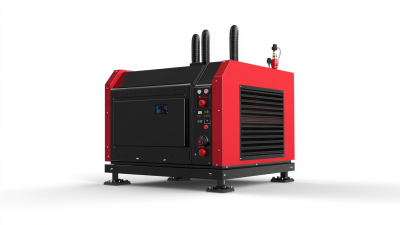
Top 10 Tig Machines for Efficient Welding Solutions?
In the world of welding, the role of a high-quality tig machine cannot be overstated. Renowned welding expert, Dr. Emily Carter, once said, "The right tig machine can elevate your work to a new level of precision and efficiency." This statement highlights the importance of choosing the best equipment for successful welding projects.
Tig machines are essential for a variety of applications, from automotive repair to intricate artistic creations. They offer superior control and clean welds, a significant advantage for professionals. However, not all machines are created equal. Some models may lack the necessary power or features, leading to frustrating experiences. Understanding what to look for ensures that you invest wisely.
Selecting the right tig machine is key to achieving optimal results. A suitable model should match the welder's skills and specific project demands. This guide to the top ten tig machines provides insight into reliable options. Each machine brings unique features that enhance performance, paving the way for enhanced welding solutions. The right choice matters greatly for both efficiency and outcome.
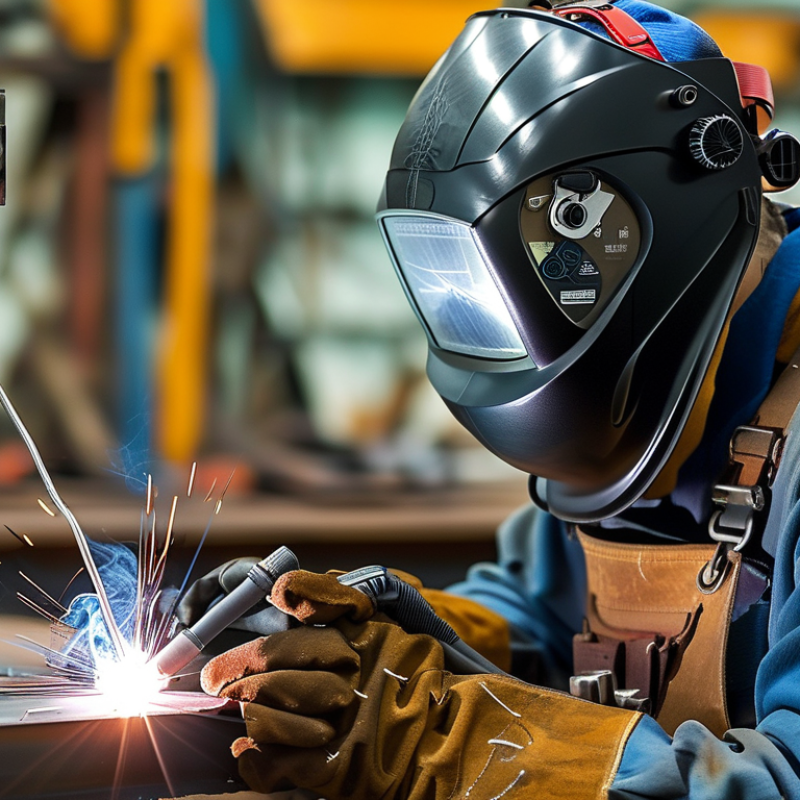
Top 10 TIG Machines Based on Performance Efficiency Metrics
When evaluating the top TIG machines, performance efficiency is critical. Industry reports indicate that welding processes can influence overall productivity by as much as 25%. Higher efficiency machines feature advanced inverter technology, improving arc stability and reducing energy consumption. Many models achieve efficiencies nearing 80%, significantly cutting operational costs.
Precision is another essential factor. In TIG welding, a steady arc and controllable heat ensure superior weld quality. Machines that offer adjustable amperage and pulse functions are preferred. They allow better control over the weld pool. Notably, studies show that welders who utilize machines with these capabilities report a 30% decrease in defects.
However, not all TIG machines meet these efficiency metrics. Some may fall short in energy use or weld quality under specific conditions. Reviews also highlight the importance of user experience. Even high-performance machines can struggle in less experienced hands, leading to inconsistencies. Therefore, assessing both the machine's capabilities and the user's skill level is essential for optimal results. This dual focus will help identify the right machine for effective and efficient welding solutions.
Comparative Analysis of TIG Welding Machines: Power Ratings and Duty Cycles
TIG welding machines vary significantly in power ratings and duty cycles, impacting their performance. When analyzing options, consider both the amperage and the capacity to sustain a weld over time. Higher power ratings allow for thicker materials but require proper cooling systems to prevent overheating. Machines with lower ratings can still perform well for lighter tasks, offering flexibility and easier handling.
Tips for choosing the right machine include assessing your specific welding needs. For beginners, a machine with adjustable power settings is more forgiving. If you plan to work on heavier materials, opt for a model with a higher duty cycle. This ensures that you can work continuously without excessive downtime. Consider portability if you need to move the machine frequently.
Keep in mind that not all machines will be perfect for every scenario. Some may excel in specific applications, while others may fall short. Establishing a balance between features and usability is crucial. Always seek user feedback and technical specifications to gauge reliability. This way, you can make a more informed purchase that serves your needs effectively.
User Reviews: Reliability and Usability of Top-Rated TIG Welding Equipment
When it comes to selecting TIG machines, user reviews play a vital role. Many hobbyists and professionals share their experiences. They discuss both reliability and usability, which are critical factors in choosing the right equipment. A well-reviewed machine often shows consistent performance over time. Users frequently highlight welding quality and ease of use.
Some reviews mention the importance of features like adjustable amperage settings and portability. These factors contribute to overall satisfaction. However, not every machine meets user expectations. Some have reported issues with overheating or complicated setup processes. Such feedback is invaluable for potential buyers.
Considering various user experiences can reveal trends. A machine praised for its reliability might still have quirks that frustrate users. It's essential to weigh these insights against personal needs. Each welding project can require different features. Reflecting on user reviews helps establish a clearer picture of what to expect from TIG welding equipment. This ongoing dialogue among users enriches the community and promotes better choices.
Technological Advancements in TIG Welding: Features Impacting Performance
Technological advancements in TIG welding have significantly transformed the industry, improving efficiency and precision. One of the key advancements is the integration of advanced inverter technology. This technology allows for improved arc stability and better control over heat input. Data from industry studies suggest that using inverter-based TIG machines can enhance welding speeds by up to 30%. The benefits reflect in reduced distortion and better finished weld quality.
Another critical feature impacting performance is the development of digital controls. These controls enable welders to adjust parameters such as current and gas flow with precision. Studies indicate that consistent settings can reduce defects by 40%. This highlights the importance of investing in machines that offer such capabilities. However, not all machines utilize this technology equally. Some may fall short in user experience and ease of adjustment.
For optimal performance, always maintain your equipment. Regular inspections for gas flow rates and electrode conditions can prevent costly issues. Experimenting with different settings can help discover the best parameters for specific materials. Finding the right balance is essential, as overadjusting can lead to inconsistent welds. Embrace the learning curve and don’t hesitate to revisit settings until you find the ideal configuration for your projects.
Cost-Benefit Analysis of Investing in High-End TIG Welding Machines
Investing in high-end TIG welding machines can bring substantial benefits. A recent industry report highlighted that high-quality machines improve efficiency by up to 30%. This efficiency translates into significant time savings on projects. Projects completed faster mean increased productivity and higher revenue for businesses.
However, the initial cost of these machines can be daunting. A robust TIG welder can cost several thousand dollars. Nevertheless, many reports indicate that the long-term cost savings often outweigh this initial investment. Reduced maintenance costs and fewer errors in welding lead to less rework. A focus on quality can significantly lower overall expenditures over time.
It's essential to weigh the pros and cons carefully. Some users may feel overwhelmed by the learning curve associated with advanced machines. Training employees requires additional time and money. Nonetheless, investing in skilled operators can maximize the machine's potential, leading to exceptional results. Organizations must evaluate their specific needs before making such an investment.

 WeChat Online Service