How to Use a Stick Welder for Beginners and Advanced Projects?
Using a Stick Welder can feel daunting at first. However, with proper guidance, it becomes manageable for beginners and experts alike. Renowned welding expert, John Smith, once stated, "Mastering the Stick Welder opens doors to endless creative possibilities in metalworking." His words remind us that the journey often requires practice and patience.
Stick welding is versatile. It can be applied in various projects, from simple repairs to complex fabrications. Beginners may struggle with technique, leading to inconsistent welds. Advanced users sometimes become complacent, risking safety in pursuit of perfection. Each weld tells a story; understanding the material and settings is crucial.
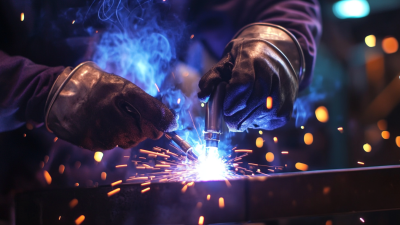
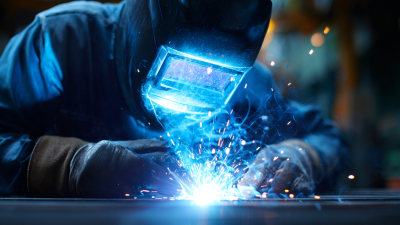
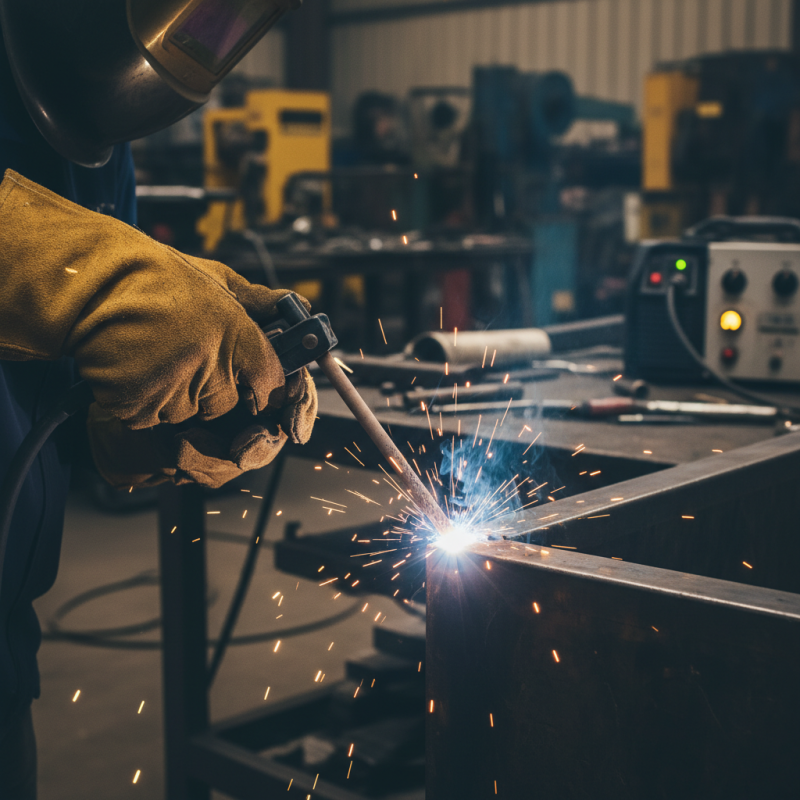
Visualizing the process helps. Picture the welder in hand, the electrode melting as you create bonding points. Newcomers might find adjusting the amperage challenging, while seasoned welders may overlook the importance of maintaining equipment. No matter your skill level, reflecting on your approach is essential. Embracing imperfections opens pathways to skill improvement. Each weld is an opportunity for growth and innovation.
Choosing the Right Stick Welder for Your Needs
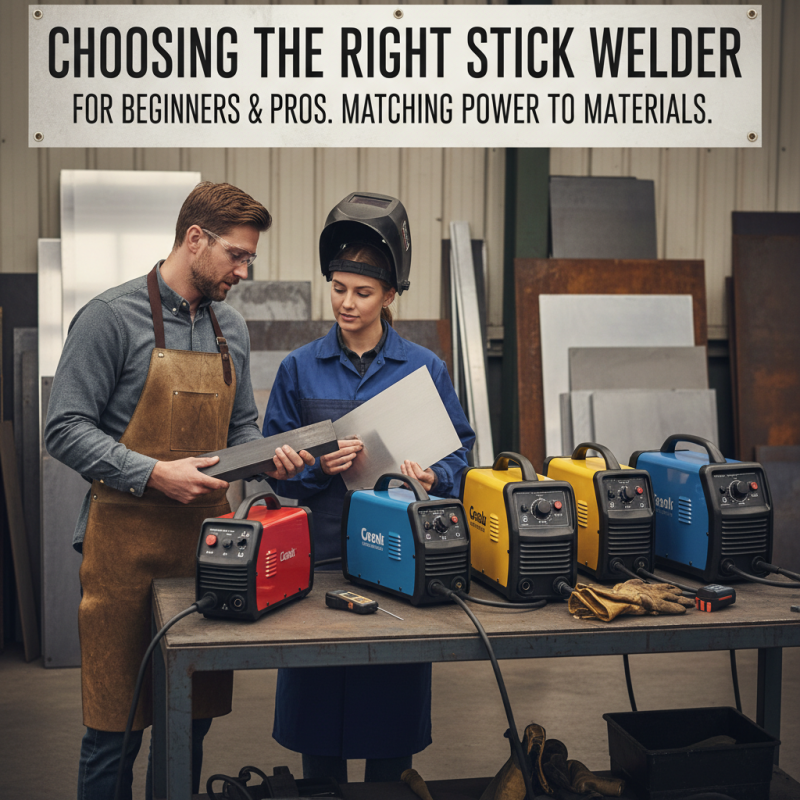
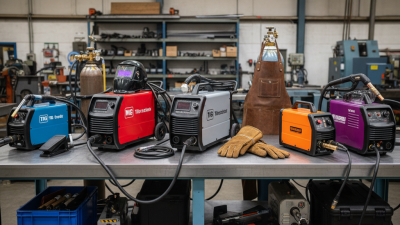
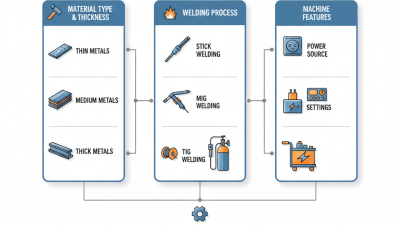
Choosing the right stick welder is crucial for both beginners and advanced projects. Assessing your needs can simplify this process. Consider the materials you plan to work with. Mild steel, stainless steel, and aluminum each require different approaches. Ensure your welder can handle the thickness of your materials. If you choose a model that’s too weak, your results will suffer.
Pay attention to the amperage range of the stick welder. A flexible range allows you to tackle various projects. A welder with a lower amperage is suitable for thin materials. Higher amperage models can handle thicker materials but may be tricky for beginners. Make sure to consider ease of use. Features like a lightweight design and comfortable grip can make a difference.
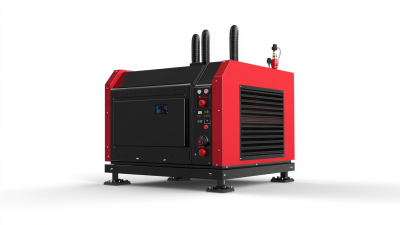
Don't overlook the importance of safety features. A welder should have a reliable protective cover and an efficient cooling system. You want your machine to last and keep you safe. Think about your working environment as well. If you are in a confined space, a compact model might suffice. Yet, don’t rush into a decision. Reflect on your long-term goals and revisit your choices as you progress.
Essential Safety Gear and Precautions for Welding
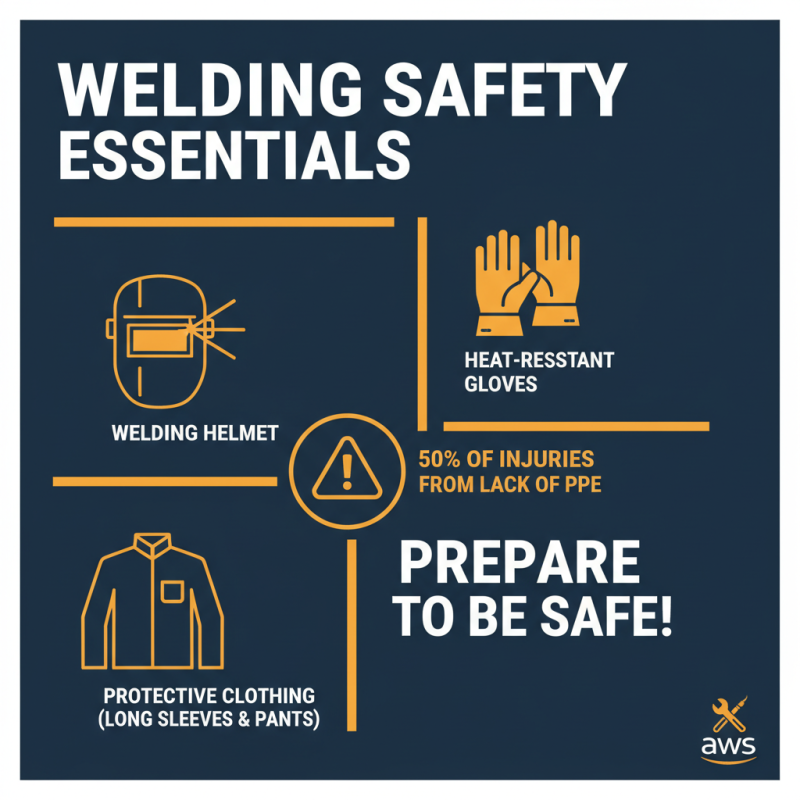
Welding is an essential skill in many industries, and safety is paramount. Essential safety gear includes a welding helmet, gloves, and protective clothing. According to the American Welding Society, approximately 50% of welding-related injuries are due to inadequate protective equipment. This statistic highlights the need for careful preparation. A good welding helmet can protect against harmful UV rays and sparks. Proper gloves should resist heat and abrasions. Wearing long sleeves and sturdy pants also reduces injury risks significantly.
When using a stick welder, consider your surroundings. Ensure proper ventilation in your workspace. Fumes from welding can be toxic, and poor air quality may lead to health problems. Data from the National Institute for Occupational Safety and Health shows that prolonged exposure to welding fumes can cause serious respiratory issues. This can significantly hinder one's ability to work safely.
Tips: Always check your gear before starting. Look for signs of wear or tear on gloves and helmets. Remember, the right equipment can mean the difference between safety and serious injury. If you're unsure about the condition of your tools, take the time to assess them thoroughly. It’s crucial to reflect on our practices and learn to prioritize safety above all.
Fundamentals of Stick Welding Techniques for Beginners
Stick welding is a versatile technique suitable for various projects, whether you're a beginner or tackling advanced tasks. Understanding the fundamentals is crucial for effective welding. Start by familiarizing yourself with the equipment. The welding machine, electrodes, and protective gear are essential. Not having the right gear can lead to poor results.
Once you have your equipment, practice basic techniques. Hold the electrode at a consistent angle for a steady arc. The distance between the workpiece and the electrode should be stable. If the arc is too long or short, the weld will suffer. Beginners often underestimate the importance of adjusting their grip. A shaky hand leads to uneven weld beads. Focus on maintaining control, but don’t be discouraged by initial mistakes. Each failure offers a lesson.
As you gain confidence, experiment with different welding positions and materials. This practice helps you understand the nuances of stick welding. You may find some techniques harder than others. Don’t shy away from challenging projects but approach them cautiously. Reflect on what works and what doesn’t. Each piece you create tells a part of your journey in mastering stick welding. Embrace the imperfections, as they drive your growth.
Advanced Welding Techniques for Complex Projects
Advanced welding techniques are essential for tackling complex projects. Skills like multi-pass welding can boost joint strength. This method involves layering welds in multiple passes.
It's a challenge, but it provides a strong, clean finish.
TIG welding could also be a solid choice when precision is key. Controlling the heat is vital. The welder needs steady hands. Any distraction can lead to poor results. Remember, working on thin materials requires special attention. Even a slight mistake can cause holes or burn-through.
Practice is crucial, but so is reflection. Not every weld will be perfect. Review your work critically. Identify mistakes and learn from them. Each challenge improves your technique. Embrace the learning process to make your projects successful.
Troubleshooting Common Stick Welding Issues and Solutions
Stick welding can seem daunting, especially for beginners. Common issues arise during the process. Poor arc stability is a frequent problem. It may indicate incorrect polarity or improper electrode type. Ensure you are using the right settings for your material and electrode. Adjusting voltage can resolve many stability issues.
Another common issue is inadequate penetration. This usually happens with incorrect travel speed. If you move too fast, the weld may remain weak. Slower movements allow better fusion. Fatigue can also play a role here. Take breaks if needed; don’t rush the process. Be aware of your environment. Drafts or wind can affect your weld quality significantly.
Mistakes during the welding process are part of the learning curve. If there’s excessive spatter, check your technique. Clean surfaces before welding; dirt can lead to poor results. If the weld is inconsistent, troubleshoot your stance. Keep a stable position to improve control. Embrace these challenges; they help develop your skills. Each lesson learned refines your approach to stick welding.
How to Use a Stick Welder for Beginners and Advanced Projects
| Aspect |
Beginner Tips |
Advanced Techniques |
Common Issues |
Solutions |
| Safety Gear |
Always wear appropriate safety gear: gloves, mask, and apron. |
Ensure equipment is well-maintained for optimal performance. |
Burns and Sparking |
Check for proper ventilation and clean the workspace. |
| Electrode Selection |
Use 6011 or 6013 electrodes for general purpose welding. |
Experiment with 7018 electrodes for better penetration. |
Porosity |
Ensure the base metal is clean and free of dirt or oil. |
| Welding Technique |
Hold the electrode at a 15-20 degree angle. |
Use stringer beads and weave patterns for better strength. |
Inconsistent Beads |
Adjust travel speed and arc length for uniform bead appearance. |
| Post-Weld Cleanup |
Clean slag with a wire brush after welding. |
Consider using a grinder for smoother finishes. |
Cracking |
Preheat metals before welding to reduce thermal stress. |

 WeChat Online Service