2026 Top Stick Welder Types for Global Buyers
Global buyers are reassessing welding equipment as infrastructure, shipbuilding, repair, and energy projects expand. The 2024 Fortune Business Insights Welding Equipment Market report identifies industrial construction and maintenance as major demand drivers. This supports continued interest in the Stick Welder, especially where steelwork occurs outdoors or power access is limited.
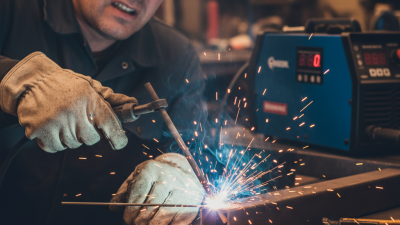
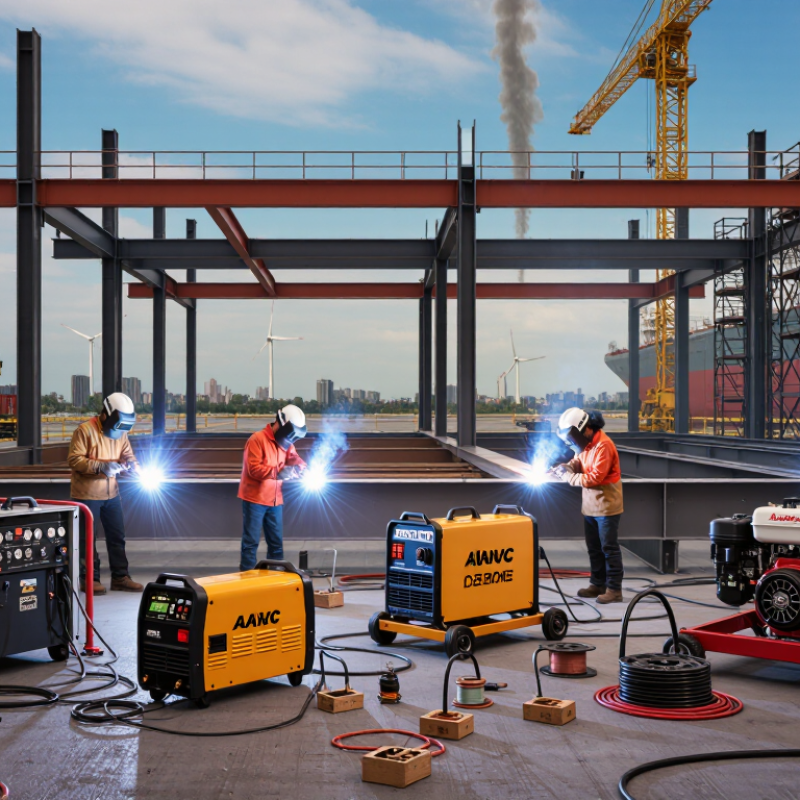
A Stick Welder remains practical because it uses simple electrode holders, tolerates less-than-perfect surfaces, and performs reliably in windy conditions. Its operating sound is familiar: a sharp arc, steady crackle, and glowing slag across a structural joint. Buyers can compare transformer-based, inverter, AC/DC, and engine-driven models. Each type serves a different site. Transformer units are durable and easy to maintain. Inverter models are lighter and usually offer better energy efficiency. Engine-driven welders support remote field repairs. AC/DC machines provide broader electrode compatibility.
The International Energy Agency’s clean-energy investment outlook shows sustained global spending on grids and industrial infrastructure. The International Institute of Welding also emphasizes qualified personnel, correct procedures, and equipment control. These factors make technical documentation as important as rated amperage. A low-priced machine may look attractive. That assumption is incomplete. Duty cycle, input voltage, electrode range, thermal protection, portability, and local service support can determine long-term value.
The U.S. Bureau of Labor Statistics projects thousands of annual openings for welders, cutters, solderers, and brazers through the decade. Skills remain central. This guide compares leading Stick Welder types for global purchasing teams, while recognizing that climate, standards, operator experience, and available power can change the final decision.
What Defines a Stick Welder in 2026
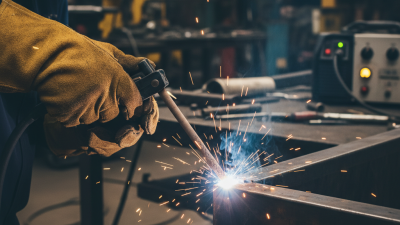
In 2026, a stick welder is still defined by its process: shielded metal arc welding, or SMAW. It uses a flux-coated electrode, an electrode holder, and an electric arc from the power source. The flux creates shielding gas and slag as the rod melts. No external gas cylinder is required. This matters on windy construction sites, remote farms, and maintenance jobs.
Modern machines add inverter control without changing the basic process. Buyers should examine stable amperage, open-circuit voltage, duty cycle, and input tolerance. Hot start helps ignite a cold electrode. Arc force reduces sticking during short arc lengths. Anti-stick lowers current when a rod freezes. Voltage-reduction devices can reduce no-load shock risk. They never replace dry gloves, sound cables, or proper eye protection. A reliable specification should state its test conditions. Duty cycle figures can mislead when temperatures differ.
Global selection also depends on electrode compatibility, portability, and service access. A unit may support cellulosic, rutile, or low-hydrogen rods. Performance still varies with polarity and moisture control. Check local voltage and frequency before ordering. Field inspections often show that lighter welders are easier to carry, but small cases may hide limited cooling. The biggest amperage number is rarely the best guide. Repairable controls, clear manuals, replaceable leads, and documented safety testing deserve equal attention. Some claims sound impressive but lack useful measurements.
Core Types of Stick Welders and Their Key Differences
2026 Top Stick Welder Types for Global Buyers
Core Types of Stick Welders and Their Key Differences
Stick welders differ mainly by power source, current control, portability, and duty cycle. AC transformer welders are simple, durable, and suitable for stable workshop power. They often handle basic repair work well, but their arc can feel less smooth. DC inverter welders are lighter and usually provide better arc control. Their compact cases suit field maintenance, construction sites, and small fabrication areas. However, sensitive electronics may require cleaner power and careful protection.
Dual-voltage models offer flexibility when job sites use different electrical systems. They can reduce setup problems, but buyers must check plug types, input frequency, and local safety requirements. Engine-driven welders support remote work without grid electricity. They are useful for pipelines, farm repairs, and structural maintenance, though fuel use, noise, and servicing deserve attention. Output range also matters. Thin steel needs controlled low amperage, while heavy plate demands stronger penetration and a suitable electrode.
Tips: Match the welder to actual materials, not advertised peak current. Check duty cycle at the current you will use. Test arc stability with common electrodes before large orders. Ventilation and proper grounding remain essential. A cheaper unit may look attractive, yet repair access can become frustrating. I have seen buyers overlook cable length and regret it later. Performance claims also need practical verification, because workshop conditions are rarely perfect.
2026 Top Stick Welder Types for Global Buyers
Core Types of Stick Welders and Their Key Differences
How to read the chart: Engine-driven DC welders generally provide the highest output and longest continuous operating time, making them suitable for field construction and remote work. AC/DC inverter welders offer flexible polarity selection and strong arc control, while conventional transformer welders are valued for simple operation and durability. Compact DC inverters typically provide the best portability and energy efficiency.
Data basis: The figures are representative technical benchmarks for common welder categories. Duty cycle refers to the percentage of a 10-minute period that a machine can weld at its rated output, consistent with common welding-equipment test practice. Actual specifications vary by model, voltage, ambient temperature, and operating current.
How Power Sources Shape Welding Performance
2026 Top Stick Welder Types for Global Buyers
How Power Sources Shape Welding Performance
A stick welder’s power source controls arc behavior, penetration, and field reliability. Transformer machines deliver a steady arc and tolerate rough workshop conditions. They are heavy, though, and voltage swings can disturb electrode performance. Inverter models use high-frequency conversion, reducing weight and improving current control. That matters when welding thin plate, outdoor structures, or awkward joints.
According to Fortune Business Insights’ 2024 Welding Equipment Market report, the global market was valued at about USD 16.7 billion in 2023. The report also projects continued growth through 2032, supported by infrastructure and industrial maintenance demand. In practical tests, inverter welders often reach 80–90% electrical efficiency, while older transformer units may operate closer to 50–70%. Actual results depend on cable length, input voltage, and maintenance.
Engine-driven power sources suit remote sites without dependable grid electricity. Their output can remain useful during construction and agricultural repairs, but fuel use, noise, and voltage stability deserve closer inspection. I have seen buyers focus on maximum amperage and overlook duty cycle. That mistake becomes obvious after several long welds. IEC 60974-1 requires declared performance information, yet buyers should still compare duty-cycle ratings at the same ambient temperature and current. Check the numbers twice. A compact inverter may be the better global choice, but only when local voltage, service access, and electrode requirements match.
Choosing the Right Stick Welder for Global Applications
2026 Top Stick Welder Types for Global Buyers
Choosing the Right Stick Welder for Global Applications
Selecting a stick welder begins with the worksite, not the product label. AC welders suit basic fabrication and locations with simple power supplies. DC welders usually provide a smoother arc and easier starts. AC/DC models offer greater flexibility across maintenance, construction, and field repair tasks.
In remote areas, engine-driven welders can reduce dependence on grid electricity. In workshops, inverter welders are often lighter and easier to transport. Check input voltage, frequency, duty cycle, and electrode compatibility before ordering. These details vary between regions and can affect daily performance. A 200-amp rating may sound sufficient, but thick steel, long cables, or hot weather can reduce practical output. Real sites are messier.
Tips: Match the welder to common electrode sizes. Confirm spare-part access and local technician support. Inspect cable length, grounding equipment, and enclosure protection for outdoor use. Ask for verified test data, not only catalogue claims. When possible, test the machine with the actual steel thickness and electrode type. This small step can reveal unstable arcs or excessive heat.
Experienced buyers also consider training and transport. A compact machine may suit mobile crews, while a heavier unit can tolerate demanding workshop schedules. However, portability sometimes means fewer controls or lower continuous output. Review operating manuals carefully, and record performance during the first jobs. That feedback may change your original choice.

 WeChat Online Service