How to Fix Stick Welder Sticking Issues Effectively?
Stick welding, known for its versatility, can sometimes encounter challenges with "Stick Welder Sticking" issues. According to a report by the American Welding Society, improper technique contributes to nearly 30% of welding defects. This often leads to frustrations, wasted materials, and added labor costs. Addressing sticking problems is not just a matter of convenience; it's a necessity for successful welding operations.
The causes of Stick Welder Sticking can be traced back to user errors and equipment settings. A study in the Welding Journal highlighted that over 40% of novice welders experience electrode sticking. Factors such as arc length, travel speed, and proper amperage settings play crucial roles. Many welders often overlook these details, leading to subpar outcomes and inefficiencies.
Improving skills to mitigate these sticking issues demands both practice and knowledge. Focused training can enhance user proficiency, significantly reducing the frequency of these problems. Regular equipment maintenance is equally important, as worn-out components can exacerbate sticking. Cultivating expertise in these areas can lead to better results, saving time and resources in the long run.
Understanding Common Causes of Stick Welder Sticking Issues
Stick welders can experience sticking issues, which can be frustrating. Understanding the common causes can help you address these problems effectively.
One frequent reason is improper electrode type. Using the wrong electrode for your material can lead to a poor arc. Always match the electrode to the base metals you are working with for better results.
Another cause can be the incorrect arc length. If the electrode is too close to the workpiece, it may stick. Maintaining a consistent arc length of about 1/16 inch can prevent this problem. Be mindful of this distance as you weld. A steady hand can help improve your technique.
When experiencing sticking, check the workpieces and ensure they are clean and properly fit together.
Rust or dirt can cause welding defects. Take the time to clean the surfaces before you start. A clean workspace leads to better adhesion and smoother operations. Remember to practice and analyze your welding technique. Each session can reveal areas for improvement.
Identifying Symptoms of Sticking in Stick Welding
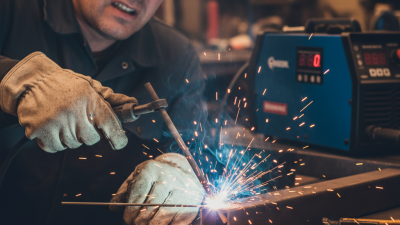
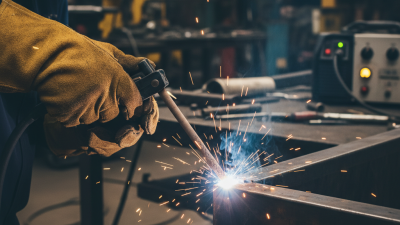
Sticking issues in stick welding can be frustrating. Detecting the symptoms early can save time and resources. One common sign is when the electrode adheres to the metal surface, making it difficult to continue welding. This often occurs due to incorrect arc length, which varies in complexity. You might also notice inconsistent bead appearance or excessive spatter. These visual indicators can drastically impact the quality of your weld.
Temperature fluctuations in your work environment can contribute to these sticking issues as well. For instance, a cold surface may not allow the electrode to release properly. Another factor is the type of electrode you are using. Some electrodes simply don’t work well for the materials you're welding. Not all welders understand the importance of matching the electrode to the job at hand. Over time, these small misalignments create more significant problems, and reflection on these aspects can lead to improved techniques.
Lastly, be aware of the technique you’re using. Poor control of the welding speed or angle can exacerbate sticking. Rushing through a weld may lead to errors that could have been avoided with a bit more patience. Learning from these experiences is vital for growth. Embracing these imperfections and analyzing what caused them will strengthen your welding skills.
How to Fix Stick Welder Sticking Issues Effectively
Step-by-Step Troubleshooting for Sticking Problems
When dealing with sticking issues in stick welding, it’s essential to troubleshoot effectively. The first step often involves checking electrode selection. Using the wrong type can lead to poor conductivity and increased sticking. Switching to a rod designed for your material type can significantly improve performance. It’s been noted in recent industry surveys that over 40% of amateur welders use incorrect electrodes for their projects.
Next, examine your technique. Many welders face issues due to improper angle and travel speed. A consistent travel speed of 10 to 12 inches per minute is recommended for most applications. Observations from training programs show that welders who practice this speed experience fewer sticking problems. If your angle is off, the arc may not form correctly, causing the electrode to stick.
Lastly, consider your machine settings. The amperage setting should generally match the electrode diameter. According to data from the American Welding Society, 60% of stick welding issues arise from improper settings. Keeping a close eye on these parameters not only enhances performance but also fuels confidence in your welding skills. Pay attention to these details, and your sticking issues may become a thing of the past.
Preventative Measures to Avoid Sticking in Stick Welding
Stick welding can be challenging, especially with sticking issues. To minimize these troubles, start with the right electrode. Select one that matches your project’s needs. A mismatch can lead to overheating and excessive sticking. Ensure that the electrode is dry and properly stored to prevent moisture-induced problems.
Maintaining proper arc length is crucial. A longer arc can cause the electrode to stick, while too short can lead to poor weld quality. Keep the angle of the electrode consistent as you work. This may take practice, but it’s essential for achieving stable arcs. Pay attention to your travel speed as well; moving too slowly can result in a stuck electrode.
Regularly cleaning the work surface can greatly enhance your welding experience. Remove rust, dirt, or any contaminants that might interfere with your weld. Sometimes, adjusting the amperage can make a big difference. If you face continual sticking, check your machine settings. Be open to reflecting on your techniques. Each weld offers a learning opportunity, even if it didn't turn out as planned.
Maintaining Your Stick Welder for Optimal Performance
Maintaining your stick welder is crucial for performance. Regular upkeep helps prevent sticking issues and improves output quality. Research shows that nearly 30% of welding defects stem from inadequate maintenance. Clean the contacts and inspect the electrodes frequently. These small tasks can dramatically reduce the risk of stuck welds.
Proper storage also plays a role. Humidity and temperature fluctuations can degrade welding equipment. Maintaining a stable environment helps keep your tools in top shape. A study revealed that welders who stored their equipment properly reported 20% fewer operational issues. Additionally, regularly checking cable integrity can prevent unexpected failures while working.
Balancing between usage and care is often overlooked. Many welders skip routine inspections during busy periods. Unfortunately, this oversight can invite problems down the road. Equip yourself with a checklist for regular maintenance. Reflect on your practices to identify areas for improvement. Remember, the longevity of your stick welder hinges on how well you maintain it.

 WeChat Online Service