Leave Your Message

What Is a TIG Welding Machine and How Does It Work?

A Tig Welding Machine uses a controlled electric arc to join metal with precision. Its tungsten electrode does not normally melt into the weld. Instead, it creates heat while argon or another suitable shielding gas protects the molten weld pool from air. This process is also called Gas Tungsten Arc Welding, or GTAW.

The operator may add a separate filler rod, but some joints need no filler. A foot pedal or hand control can adjust amperage during welding. That control helps manage heat when the joint becomes thinner, hotter, or more difficult to reach. Direct current often suits steel and stainless steel, while alternating current is commonly used for aluminum. The exact setting depends on material thickness, joint design, tungsten size, and machine capability.

Small details matter.

In a practical workshop, the arc may appear as a bright blue-white point, while the weld pool moves slowly across a cleaned metal edge. Poor gas coverage can create gray, porous, or contaminated welds. Excessive heat may warp thin sheet metal. These problems are not always caused by the machine; technique, preparation, and airflow also matter. Even experienced welders must inspect their results and adjust carefully. This guide explains how a Tig Welding Machine works, what each control does, and where its strengths become limitations. It also considers safe operation, correct setup, and realistic applications, so beginners can understand the process without treating precise welding as a simple button-pressing task. JSImport
What Is a TIG Welding Machine and How Does It Work?

What a TIG Welding Machine Is

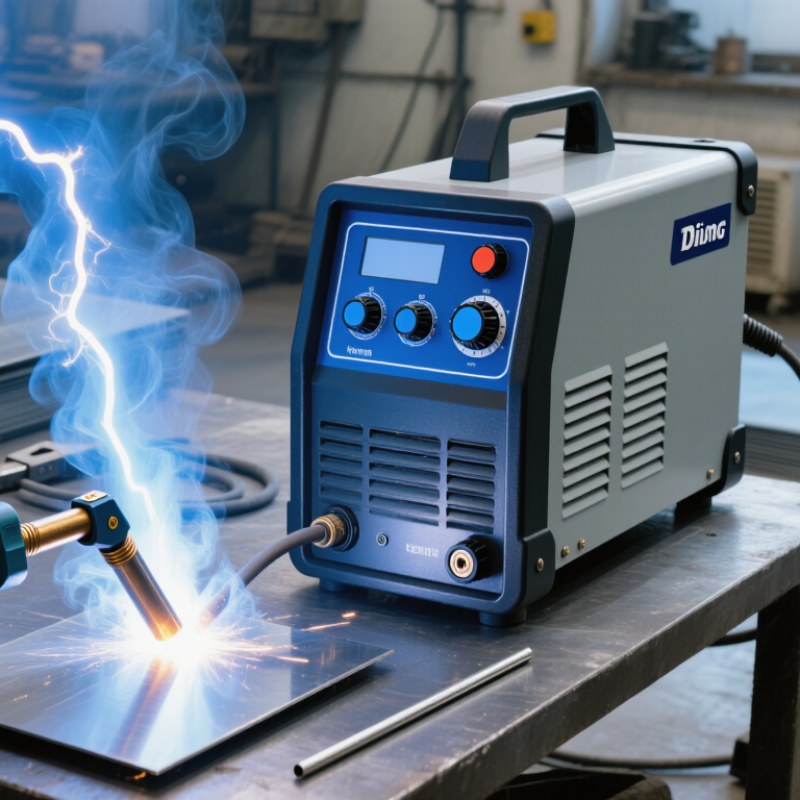
A TIG welding machine is a power source designed for Gas Tungsten Arc Welding. It creates an electric arc between a non-consumable tungsten electrode and the workpiece. The arc melts the joint, while shielding gas protects the hot metal from oxygen and nitrogen. Most machines use argon, sometimes mixed with helium for specific applications.

The operator holds a TIG torch, controls current, and adds filler metal separately when needed. A foot pedal or hand control can adjust amperage during welding. Direct current suits many steels and stainless steels. Alternating current is commonly used for aluminum because it helps break the surface oxide layer. The process is slow, but it produces clean, narrow welds with precise heat control.

That sounds simple. It is not.

A dependable TIG machine needs stable output, correct gas flow, proper tungsten preparation, and a clean joint. Even a small trace of oil can cause porosity or discoloration. The American Welding Society estimates that the United States may need about 330,000 new welding professionals by 2026, increasing demand for controlled, teachable processes. In practical training, beginners often focus too heavily on the machine settings. Hand distance matters just as much. A long arc can spread heat and weaken control, while an uneven torch angle may contaminate the tungsten. This is where many explanations feel incomplete: TIG welding is not only equipment operation. It is a continuous balance of heat, timing, cleanliness, and observation.
The Main Components of a TIG Welding Machine

A TIG welding machine creates an arc between a nonconsumable tungsten electrode and the workpiece. It can use AC for aluminum or DC for steel and stainless steel. Its main components control arc stability, heat, and weld cleanliness. The power source converts input electricity into precise welding current. A foot pedal or fingertip control changes amperage during the joint. This helps when corners begin holding excess heat.

The TIG torch contains the tungsten, collet, collet body, and ceramic cup. Argon travels through the hose and cup, protecting the molten pool from atmospheric contamination. A regulator and flowmeter control gas delivery. The high-frequency start can establish the arc without touching the metal.

Welding cables and the work clamp complete the electrical circuit. Air-cooled torches suit lighter work, while water-cooled torches handle higher amperage. Grand View Research valued the global welding equipment market at approximately 16.3 billion US dollars in 2023. That figure reflects growing demand for controlled, cleaner joining processes, although market estimates differ between reports.

Tips: Begin with pure argon and a practical flow of 5–10 liters per minute. Keep the tungsten extension short, usually about one electrode diameter. Excessive gas can create turbulence. I still recheck the regulator after setup; a small leak can quietly ruin an otherwise careful weld. AWS guidance and ISO quality principles also support clean surfaces, stable parameters, and documented inspection.

How TIG Welding Produces a Weld

TIG welding creates a joint by controlling an electric arc between a tungsten electrode and the workpiece. The tungsten does not normally melt into the weld. Instead, it carries the arc and concentrates heat on a small area. This focused heat melts the edges of the metal, forming a bright, fluid weld pool.

Shielding gas matters.

A steady flow of inert gas, usually argon, covers the arc and molten metal. It blocks oxygen, nitrogen, and moisture from the surrounding air. Without this protection, the weld may develop pores, discoloration, or a weak surface. The operator holds the torch at a low angle and adds filler rod separately when the joint needs more metal. The filler enters the front edge of the pool, not the arc itself. Timing is critical. Too much filler can chill the pool, while too little may leave an incomplete joint.

Current control shapes the result. Direct current often suits steel and stainless steel, while alternating current helps clean and weld aluminum oxide. A foot pedal can adjust amperage as the metal heats. In practice, TIG welding rewards patience more than force. A clean tungsten helps, but even experienced welders occasionally contaminate it by touching the pool. That mistake can interrupt the arc and require careful regrinding. Joint fit-up, torch distance, travel speed, and gas coverage must work together. A small gap or a sudden hand movement can change the bead immediately.

What Is a TIG Welding Machine and How Does It Work? - How TIG Welding Produces a Weld

Data Dimension Typical Information How It Affects the Weld
Welding Process Tungsten Inert Gas (TIG), also called Gas Tungsten Arc Welding (GTAW) Uses a non-consumable tungsten electrode to create an arc while an inert shielding gas protects the weld area.
Primary Power Source Constant-current power supply, usually with high-frequency or lift-arc starting Maintains a relatively stable welding current when the arc length changes slightly, helping control heat input.
Current Type Direct current electrode negative (DCEN) for most steels, stainless steels, copper, and nickel alloys; alternating current (AC) for aluminum and magnesium DCEN concentrates more heat at the workpiece, while AC helps break up the oxide layer on aluminum and magnesium.
Typical Output Range Approximately 5–250 A, depending on the machine and application Lower current supports thin sheet and precision work; higher current is used for thicker material and larger joints.
Arc Creation The machine establishes an electrical arc between the tungsten electrode and the workpiece without melting the tungsten under normal conditions. The arc produces the concentrated heat needed to melt the base metal and, when required, the filler metal.
Tungsten Electrode Non-consumable electrode made from tungsten; common diameters include 1.6 mm, 2.4 mm, and 3.2 mm. Electrode diameter and tip preparation influence arc stability, current capacity, and weld penetration.
Shielding Gas Argon is widely used; helium or argon–helium mixtures may also be used for selected applications. The gas displaces oxygen, nitrogen, and moisture around the arc and molten pool, reducing oxidation and porosity.
Typical Gas Flow Commonly about 7–15 L/min for many indoor applications, adjusted for torch size, nozzle, and air movement Too little gas can cause contamination; excessive flow can create turbulence and draw surrounding air into the shield.
Filler Metal Optional, separate filler rod selected to match the base metal and required mechanical properties The operator adds filler manually to build the joint, fill a gap, or reinforce the weld profile.
Torch Components Torch body, collet, collet holder, tungsten electrode, ceramic gas nozzle, shielding-gas passage, and often a cooling system These parts position the electrode, direct shielding gas, and transfer current to the welding area.
Welding Sequence Pre-flow gas → arc start → establish the weld pool → add filler if needed → travel along the joint → reduce current → post-flow gas The sequence protects the tungsten and hot weld pool from atmospheric contamination during starting and cooling.
Heat Control Controlled with welding current, travel speed, arc length, pulse settings, and torch angle Consistent heat control helps prevent burn-through, distortion, lack of fusion, and excessive weld reinforcement.
Arc Length Often maintained at approximately the diameter of the tungsten electrode A shorter, steady arc generally provides better control and a narrower heat-affected area; excessive arc length can reduce shielding effectiveness.
Weld Appearance Typically produces clean, precise welds with little or no spatter when settings and shielding are correct. The process is suitable for visible joints and applications requiring accurate control of the weld bead.
Suitable Materials Carbon steel, stainless steel, aluminum, magnesium, copper, titanium, and nickel alloys Material thickness, surface condition, alloy composition, and joint design determine the required settings and technique.
Main Advantages High precision, excellent weld appearance, low spatter, separate control of arc and filler, and suitability for thin materials Provides strong process control where cleanliness, appearance, and dimensional accuracy are important.
Main Limitations Slower deposition rate, greater operator skill requirement, sensitivity to contamination, and reduced effectiveness in drafts Careful preparation and steady hand control are necessary to maintain weld quality and productivity.
Essential Safety Measures Use a suitable welding helmet, gloves, protective clothing, ventilation, eye protection, and proper electrical grounding. Controls risks from ultraviolet radiation, fumes, hot metal, electric shock, fire, and compressed shielding-gas cylinders.

The Step-by-Step TIG Welding Process

A TIG welding machine joins metal with a controlled electric arc and a non-consumable tungsten electrode. The electrode creates heat, while argon shielding gas protects the molten weld pool from oxygen. A separate filler rod may be added when the joint needs extra metal.

The process begins with preparation. Clean the metal until the surface is free from oil, paint, and loose oxide. Fit the pieces tightly, then connect the work clamp securely. Select the correct tungsten size, gas flow, polarity, and amperage for the material thickness. Put on a welding helmet, gloves, protective clothing, and suitable ventilation.

Start the arc without touching the workpiece, if the machine has high-frequency ignition. Hold a short arc length, usually close to the tungsten diameter. Move steadily and watch the small, bright weld pool. Feed the filler rod into its front edge, not directly into the electrode. Add small amounts.

My early welds often looked neat but lacked proper penetration. That mistake taught me to inspect the reverse side and test sample joints. Thin sheet can distort quickly, so short welds and controlled heat work better. Keep the torch angle consistent, and let the shielding gas continue briefly after stopping the arc. It protects the cooling tungsten and weld surface. Real work is less perfect than diagrams. Even experienced welders must adjust speed, heat, and filler timing as conditions change.

Essential Settings, Materials, and Safety Practices

A TIG welding machine creates an arc between a non-consumable tungsten electrode and the workpiece. Argon usually shields the molten pool from oxygen and nitrogen. Start with clean metal. It matters. Set direct current for stainless steel and mild steel. Use alternating current for aluminum, because oxide removal needs positive electrode action. A practical starting point is 1 ampere per 0.001 inch of material thickness, then adjust for joint design and heat loss. That rule is useful, but not perfect.

Choose tungsten size, filler diameter, and gas flow together. Thin stainless steel may need 30–70 amps, while 3 mm aluminum often demands more heat. Keep the arc short, near 2 mm, and feed filler without dipping the tungsten. Excessive gas flow can create turbulence and pull air into the shield. That mistake is easy to miss. Experienced welders also inspect the color of the bead, not only its shape. A gray or black surface often signals contamination, poor coverage, or excessive heat.

Safety settings are equally important. Ventilation should capture fumes near the arc, while a properly shaded helmet protects against ultraviolet radiation. OSHA’s welding-fume guidance identifies airborne contaminants as a serious exposure concern, and NIOSH recommends limiting hexavalent chromium exposure to 1 microgram per cubic meter as a ceiling value. Use gloves, flame-resistant clothing, eye protection, and dry equipment. Never weld on unknown containers. Check cylinders, hoses, and regulators before striking the arc. A beautiful bead is still a failure if the operator’s breathing zone is unsafe.

What Is a TIG Welding Machine and How Does It Work?

Essential settings, materials, and safety practices

How to read the chart: The bars show representative TIG welding currents for approximately 3.2 mm material. Steel and stainless steel are commonly welded with DCEN, while aluminum generally uses AC. Actual settings depend on joint design, tungsten size, fit-up, travel speed, shielding-gas flow, and machine characteristics.

Safety essentials: Wear a properly rated welding helmet, flame-resistant clothing, gloves, and safety footwear. Provide adequate ventilation, remove flammable materials, inspect cables and gas connections, and never weld containers that may contain combustible residues.